Best Time to Visit Tenerife for Hiking: Month-by-Month Guide
I've Been to Tenerife in Every Season, Here's the Truth
I've led hikes in Tenerife for ten years, every month of the calendar. I've been caught in a July hailstorm at 3,000m and got a January sunburn on a coastal trail. The island has twelve distinct microclimates, temperature varies dramatically by altitude and aspect even on the same day. The best time to visit Tenerife for hiking isn't a single month. It depends on what trails you want, how you handle heat, and whether you mind sharing the path with tour buses. Summer hiking isn't for anyone who can't handle early starts, by 10 AM the exposed trails above 2,000m are punishing.
We earn a commission when you book through our links on Viator (PID P00303273), at no extra cost to you. This is how we keep the site free. Learn more →
The south coast near Los Cristianos gets about 200mm of rain per year. The north coast around La Orotava gets closer to 800mm. That difference matters more than any seasonal average. I've watched tourists arrive in August expecting a beach holiday, then struggle on the Teide National Park - Dinner, Sunset & Stargazing Experience because they didn't check wind conditions. Conversely, I've had January guests who only planned coastal walks and exploreed the best hiking of their lives in the Anaga cloud forest.
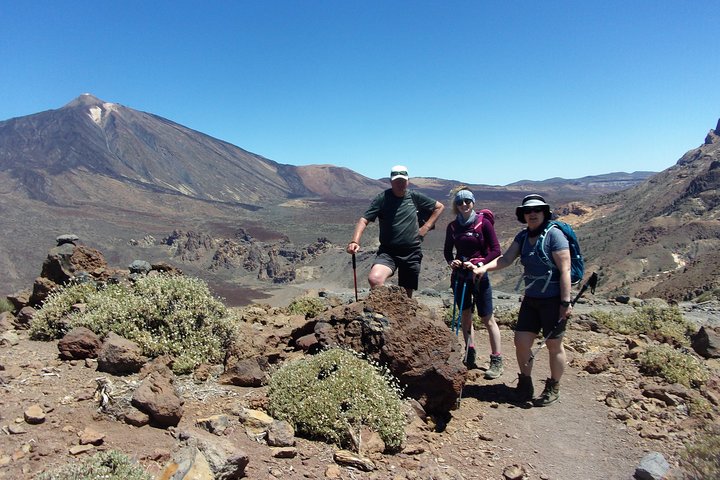
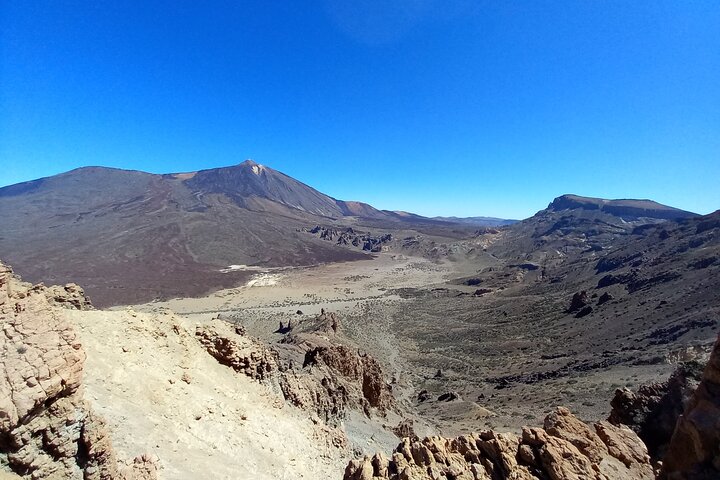
Here's the truth: March through May is the sweet spot for most hikers. Wildflowers bloom in the Teide caldera, May is impressive. Temperatures sit at 18-25°C at mid-altitudes. The summer crowds haven't arrived yet. But if you want solitude and dramatic cloud inversions, winter is my secret season. And if you're disciplined about early starts, summer works fine for coastal and Anaga trails.
I booked the Night Hike to Summit of Teide (3718m) Sunrise from 3200m for a group last August and it was a revelation, the sky at 3,500m is clearer than anywhere else in the Canaries. But you need to be prepared for the cold, even in summer.
Teide by Night: Sunset and Stargazing with Telescopes Experience
Best in peak season, the clear summer skies are remarkable, but you'll need a jacket even in August. The guide provides telescopes and blankets.
Photo Gallery
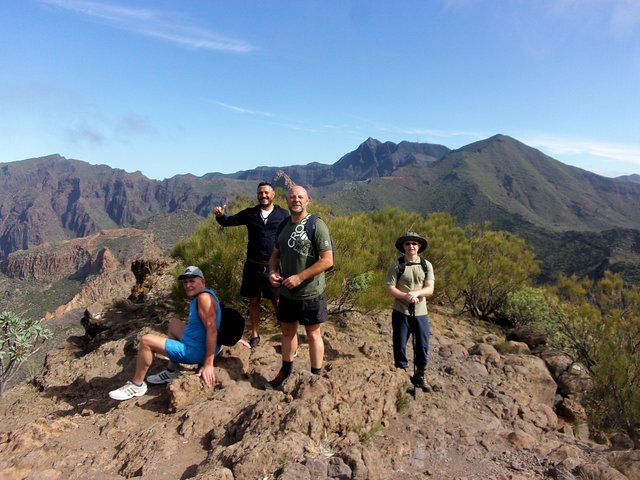
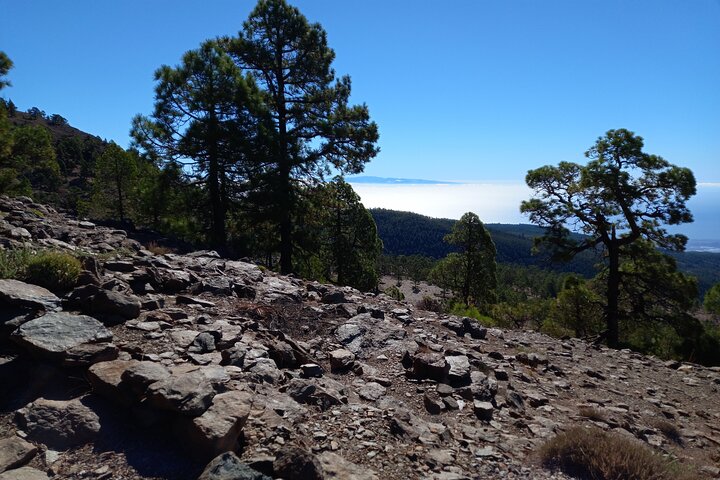
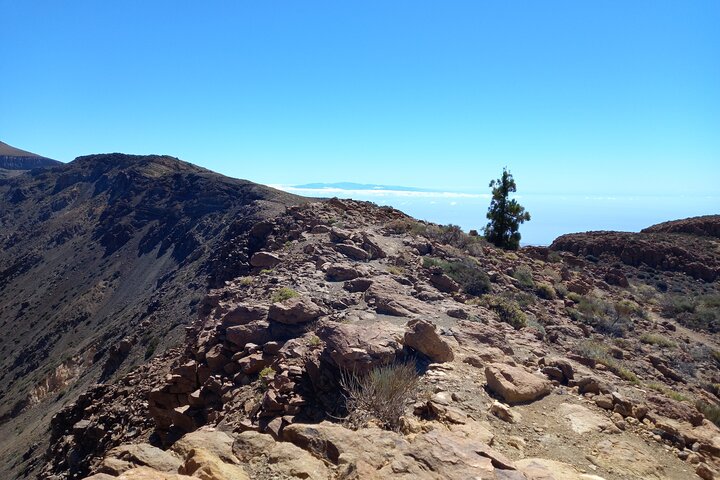
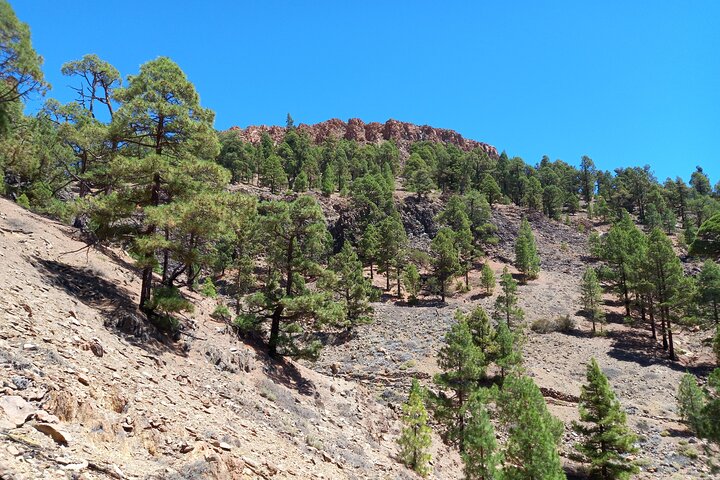
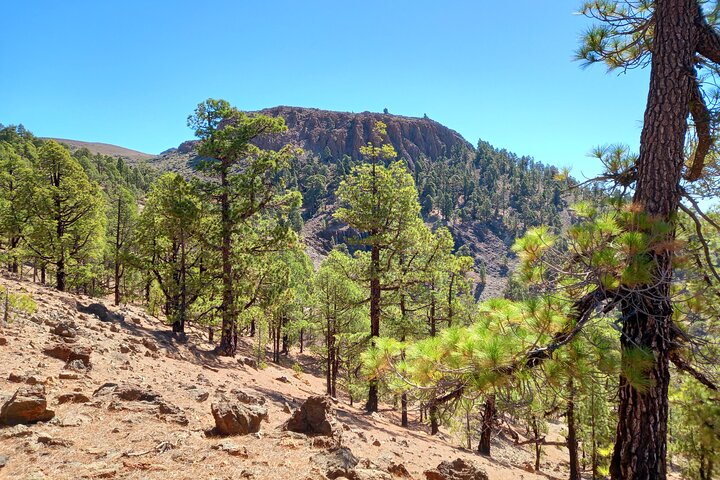
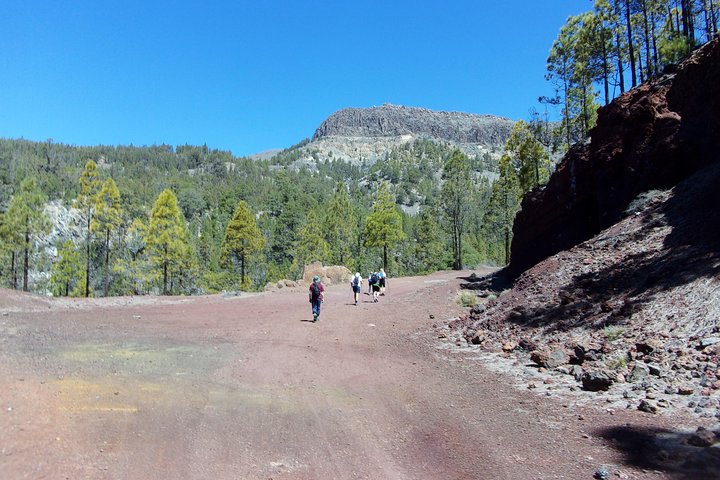
The Month That Changed How I See Tenerife
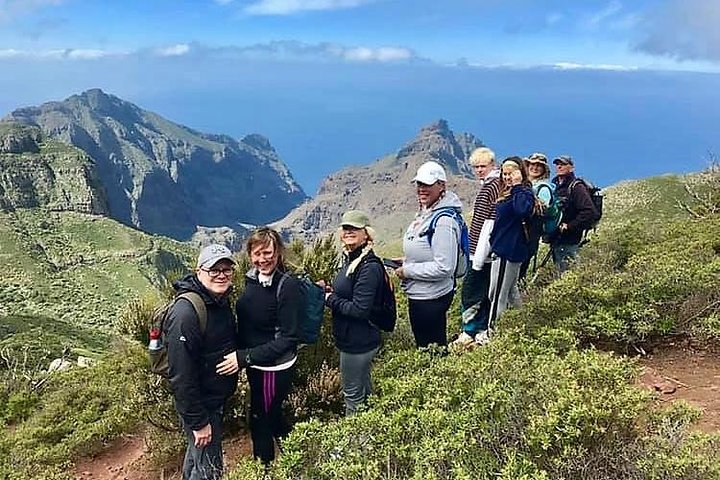
January 2018 was the month that shifted my perspective. I had a group from the UK who wanted to hike Teide. The forecast showed snow above 3,500m. Most guides cancel those trips. But the client was insistent, so we drove up at 06:00. The cable car was running, winds were calm. We reached the summit at 08:30. The cloud inversion below us was the most dramatic I've ever seen. The entire north coast was buried in a white blanket, and we were standing in brilliant sunshine above it. This isn't the best time to visit if you're set on guaranteed warm weather, winter hiking requires flexibility and backup plans.
That's the thing about winter on Tenerife. The Teide summit gets snow, real snow, enough to close the cable car some days. But the lower trails in Anaga and Teno remain accessible year-round. The south coast stays warm, often 20-22°C even in January. You can hike the Barranco del Infierno trail in the morning and watch snow on Teide from the coast in the afternoon.
Winter is also the best time for whale watching. The seas are calmer in the morning, and the whales are more active. I took a whale-watching tour in February and saw pilot whales within 15 minutes of leaving the harbour. The guide knew exactly where to go because the migration patterns are predictable in winter.
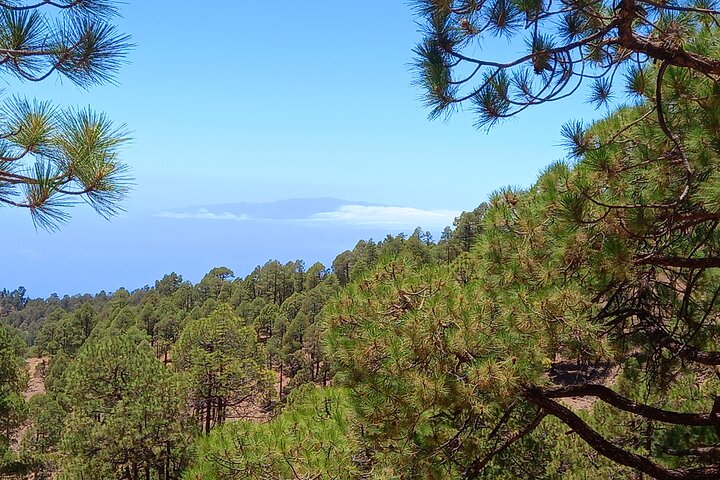
Los Cristianos Whale Watching Tour
Surprisingly great in low season, fewer boats, calmer seas, and the whales are more visible. The small group size means you're not fighting for rail space.
Leaders in Eco Respectful No chase whale and dolphinPacking Lessons I Learned the Hard Way
My first summer guiding, I carried a single 1-litre bottle on the Sendero de los Roques trail at 2,100m. By 11:00, I was rationing water. The trail is exposed, no shade, intense UV. I've since learned that above 2,000m in summer, you need a minimum of 2 litres per person, and you should start before 8 AM. The heat builds fast, and there's no escape from the sun.
I've also learned to check the Teide webcam before driving up. I've seen people book the cable car, drive an hour from the south, and arrive to find the top station closed due to wind. The webcam gives you real-time conditions. If the visibility is poor or the flags are horizontal, save the trip.
Another mistake I see: hiking in Anaga in winter without a waterproof jacket. The north gets rain even when the south is dry. The laurisilva forest is beautiful in the rain, the light filters through the leaves, the air smells damp and green, but you'll be miserable without proper gear. Check my Tenerife hiking packing list for the full breakdown.
Finally, the Garachico natural pools. They're beautiful, but they're only safe at low tide. High tide brings waves that can sweep you off the rocks. I've seen tourists get injured because they didn't check the tide tables. It's a simple thing, but it matters.
What I Wish I'd Known Before I Went
I grew up on Tenerife, but even I underestimated the microclimate variation until I started guiding professionally. Here's what I wish every hiker knew before they arrived:
- Choose your region by season. In summer, stick to Anaga and Teno. The north coast stays cooler, and the trails are shaded by laurel forest. In winter, the south and Teide are your best bets, less rain, more sun.
- Permits are required for Teide summit. You need a permit to hike the final section from the cable car station to the summit (3,715m). They're free but limited. Apply at least a month in advance for summer. Winter permits are easier to get because fewer people apply.
- The cable car closes for wind. It's not uncommon for the cable car to shut down in winter or even on windy summer days. Always have a backup plan, the Sendero de los Roques is a good alternative that doesn't require the cable car.
- Book tours in advance. The best whale watching tours and guided hikes sell out in peak season. I've seen people arrive in August and find nothing available for a week. Book at least two weeks ahead.
- Don't trust the averages. The average temperature in July at sea level is 28°C. At 3,000m, it can be 12°C with wind chill. Pack layers. Always.
For more detail on specific trails, check my Tenerife hiking guide and the Teide National Park page.
Night Hike to Summit of Teide (3718m) Sunrise from 3200m
28 reviews · 5.0 stars
Night Hike to Summit of Teide (3718m) Sunrise from 3200m, 28 verified reviews, 5.0★ average rating.
Book on Viator →Explore More
Related comparisons and guides:
Frequently Asked Questions
What is the best month to hike Teide?
May is suitable. The wildflowers are in full bloom in the caldera, temperatures are mild (18-22°C at 2,000m), and the cable car rarely closes for wind. Summer is too hot above 2,000m unless you start before 8 AM.
Can I hike in Tenerife in winter?
Yes. Winter is actually my favourite season for hiking. Lower trails in Anaga and Teno are accessible year-round. Teide gets snow above 3,500m, but the lower trails like Sendero de los Roques are fine. The south coast stays warm, around 20-22°C.
Do I need a permit to hike Teide?
Only if you want to hike the final section from the cable car station to the summit (3,715m). The permit is free but limited to 200 per day. Apply online at least a month in advance for summer. Winter permits are easier to get.
What should I pack for hiking in Tenerife?
Layers are essential. A base layer, fleece, windproof jacket, and waterproof shell. Sunscreen, hat, and minimum 2 litres of water for summer hikes above 2,000m. For winter, add gloves and a warm hat for Teide. Check my full packing list.
Is summer too hot for hiking in Tenerife?
Not if you choose the right trails. Avoid Teide above 2,000m between 11:00 and 16:00. Stick to coastal trails (Masca, Barranco del Infierno) or the shaded laurel forests of Anaga. Start early, before 8 AM, and carry plenty of water.
Which side of Tenerife has the best hiking weather?
The south is drier and sunnier year-round. The north gets more rain but stays greener and cooler. For summer hiking, choose the north (Anaga). For winter, the south (Teide, Teno) is more reliable. Check the AEMET weather forecast before you go.