Local Wisdom, The Anaga Trail I Walk Alone
Everyone hikes Teide. Fewer people hike Anaga, the ancient laurel forest in the northeast, a UNESCO Biosphere Reserve that looks like it belongs in Costa Rica, not Europe. The trail I walk when I need to think is the PR-TF 6 from Chamorga to El Draguillo. It is only 5km, but it crosses three microclimates: moist laurel forest dripping with lichen, then exposed coastal scrub with Atlantic views, then a descent through a palm-filled barranco to a black sand beach. The first time I walked it, the mist was so thick in the forest section I could hear the ravens before I saw them, their calls echoing through the fog like something prehistoric. Anaga is 40 million years old. The forest has been here since the Tertiary. You can feel that age when you walk through it. Most visitors to Tenerife never leave the south coast resorts. They never see Anaga. Their loss. If you hike one trail on this island that is not Teide, make it this one.
Four Ecosystems in One Day
We earn a commission when you book through our links on Viator, at no extra cost to you. This is how we keep the site free. Learn more →
The Anaga Mountains in the north-east feel like another planet from the Teide summit, and they're only an hour's drive away. You can hike through a prehistoric laurel forest in the morning and be on a volcanic summit by afternoon. That's the kind of diversity Tenerife offers hikers: 1,000 kilometres of marked trails, 32 official Sendero routes, and 12 microclimates to walk through. I recommend booking the guided version for the full experience, the organised transfers mean you hike down through the ravine and get picked up at the beach, no backtracking required.
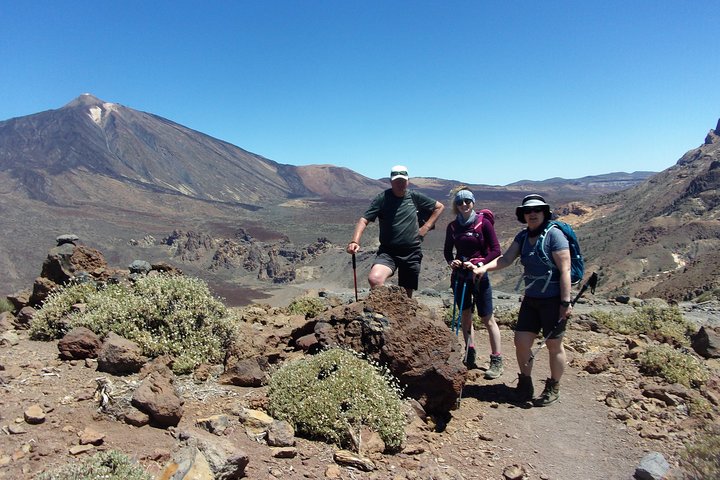
What makes Tenerife exceptional for hiking is that you can walk through four distinct climate zones in a single day. Start in the misty, moss-draped laurel forests of the Anaga Mountains, a UNESCO Biosphere Reserve where the trees look like they belong in a Miyazaki film. Drive half an hour and you're in the high-altitude volcanic desert of Las Cañadas at 2,000 metres. Descend through the Barranco de Masca, a dramatic gorge that opens onto a black sand beach. End the day on a coastal path between fishing villages. The GR-131 long-distance trail crosses the entire island north to south, passing through the Teide caldera, a week-long traverse if you do it properly.
I walked the Paisaje Lunar trail near Vilaflor one morning with a couple from Finland who had never seen volcanic terrain before. They kept stopping to pick up pumice stones, passing them back and forth, laughing at how light they were. The situation was so alien to them that the husband described it as "a planet where they forgot to build atmosphere." That moment has stuck with me more than any summit.
March to May and October to November are suitable: temperatures sit around 18-25°C at mid-altitudes. Summer hiking above 2,000 metres means intense UV, start before 8am and carry two litres of water minimum. Winter brings snow to Teide's summit, but the lower trails in Anaga and Teno stay accessible. You'll want proper boots with ankle support: the volcanic terrain is sharp basalt scree and loose pumice that chews up trainers.
Tenerife's Hiking Trails, Compared
| Trail | Distance | Difficulty | Permit | Right For |
|---|---|---|---|---|
| Masca Valley Gorge | 4.5km descent, 600m elevation loss | Moderate-hard | Permit/guide required | Adventurous hikers wanting Tenerife's most famous trail |
| Anaga, Sendero Risco to Benijo | 3km each way, ~300m gain | Moderate | No permit needed | Cloud forest lovers and coastal views |
| Teno, Punta de Teno to Punta del Fraile | 6km out-and-back | Moderate (exposed, no shade) | No permit needed | Secret trail lovers and whale watching from above |
| Paisaje Lunar (Vilaflor) | 6km loop | Easy-moderate | No permit needed | Martian landscapes and families |
| Barranco del Infierno | 4.5km return | Easy-moderate | €5 entry, 300/day limit | Families and waterfall destination |
Alejandro's essential gear: SPF 50+ sunscreen (UV index reaches 11+ at altitude), 1.5-3L water minimum, proper boots with ankle support (not trainers, the basalt scree is sharp), a thermal layer and windproof jacket even in summer, and microspikes for Teide trails in winter. A Texas man I guided to the summit last year conquered his fear of heights one switchback at a time, he brought nothing but trainers and a bottle of water, and I had to lend him my spare jacket. Don't be that hiker.
Alejandro's Insider Tips
- Top post-hike mojo picon: Bar La Máquina in La Orotava. Order the conejo en salmorejo and ask for extra mojo rojo, it's made fresh daily and has a kick that lingers.
- Skip the crowded sunrise cable car: Book a sunset slot on Teide instead. Fewer people, better light, and you can combine it with stargazing after dark.
- Anaga trails shine 9-11 AM: The morning mist creates the atmospheric conditions that make the laurel forests striking. By midday the clouds burn off and the light turns flat.
- Garachico natural pools at low tide: If you're hiking in the north, end your day at the volcanic rock pools. Free, uncrowded, and the water is clearer than any resort pool.
- Pair hiking with Teide trails: The national park has several short routes that work as warm-ups for longer treks. After a big hike, refuel at a guachinche in La Orotava valley.
, Tenerife's most famous hike, done properly with organised transfers so you hike down through the volcanic ravine and get picked up at the beach. Great for anyone who wants a dramatic, memorable day out.
What to Bring for Tenerife Hiking
Layers for three climates: Coastal start (22°C) → forest (15°C) → summit (5°C with wind). Pack for all in one day. Water (2L minimum): No water sources on most trails. Hiking boots with ankle support: Volcanic scree is loose, laurel forest paths are muddy, and the descents into barrancos are steep. Sunscreen and hat: UV 11 in summer, even on cloudy days at altitude you will burn. Headlamp: If you are doing a Teide sunrise hike or any trail that might run late. Offline maps: Signal disappears in the gorges. Permit for Teide summit: Book at tenerifeon.es, free but books out weeks ahead.
Top Hiking Picks
After reviewing all the available tours in this category, here are the experiences I recommend most, based on quality, value, and the type of traveller each suits.
Masca Gorge Descent
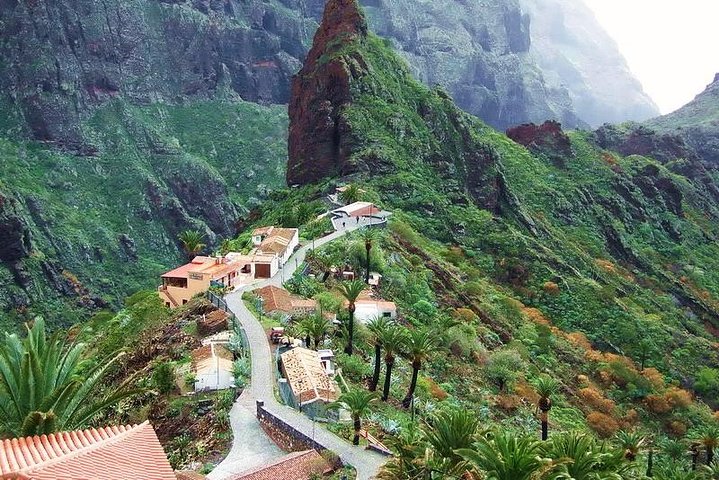
Anyone who wants Tenerife's most famous hike done properlyThe Masca Gorge is the most famous hike in Tenerife for a reason, it's a dramatic descent through a narrow volcanic ravine that opens onto a black sand beach at the Atlantic. The trail follows the stream bed, which means you're walking on smooth volcanic stone and sometimes through shallow water. The gorge walls rise 400 metres on either side, and the vegetation shifts from dry scrub at the top to lush ferns and moss near the bottom where the microclimate changes. The organised transfers matter here: you park at the top, hike down, and a boat or bus takes you back. Without the transfer, you'd have to hike back up the same trail, which is steep and exposed. Start early (before 9am) to beat the heat and the crowds.
Amazing Anaga: Small-Group Hiking Tour (12km) in Tenerife
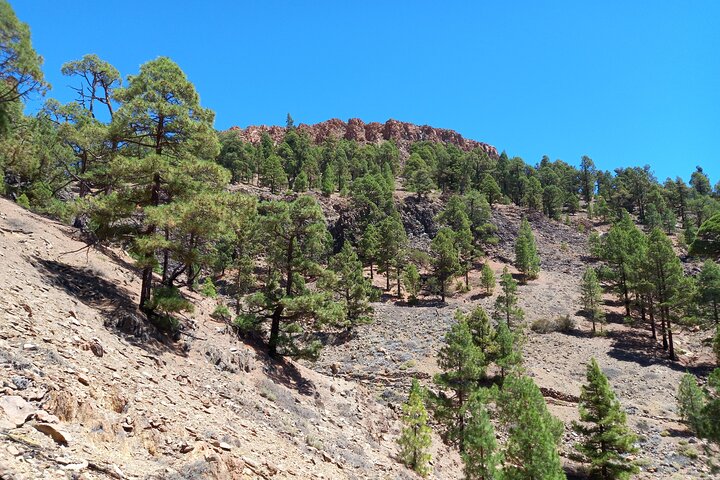
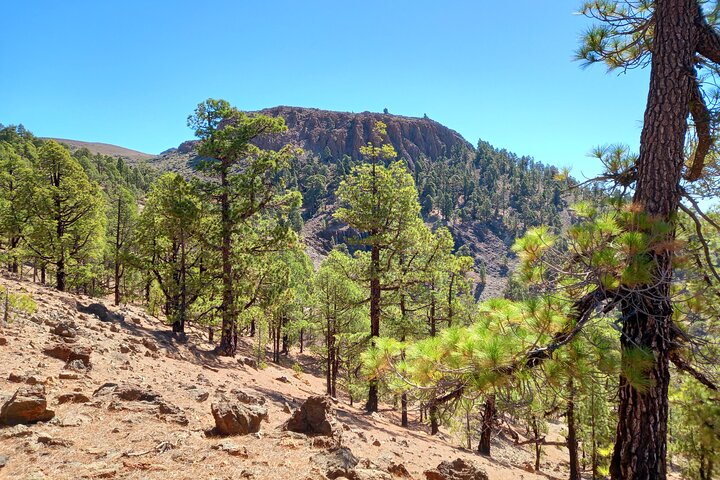
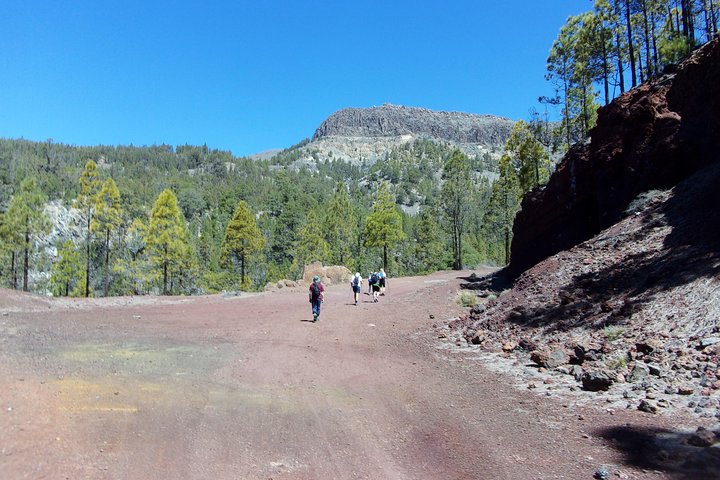
Nature lovers who want Tenerife's green, misty sideThe Anaga Mountains in the north-east are Tenerife's oldest geological region, the volcanic rock here dates back 7 million years, and they're covered in a temperate laurel forest that's survived since the Tertiary period. The trail system is well-maintained, with paths that wind through tunnels of ancient trees draped in moss and lichen. The air feels different here: cooler, more humid, smelling of damp earth and eucalyptus. The coastal views from the ridge line are the payoff, with the Atlantic stretching to the horizon and the nearby island of La Palma visible on clear days. This is a counterpoint to the dry volcanic landscapes of Teide and the south, and I'd recommend it to anyone who thinks Tenerife is just beaches and volcanoes.
Photo Gallery
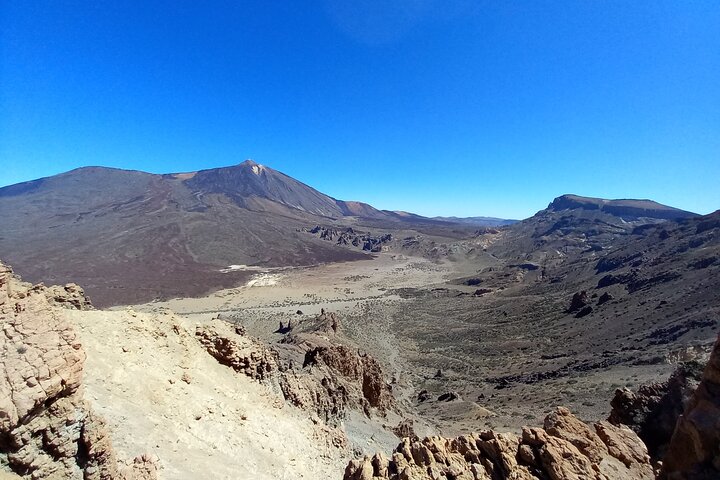
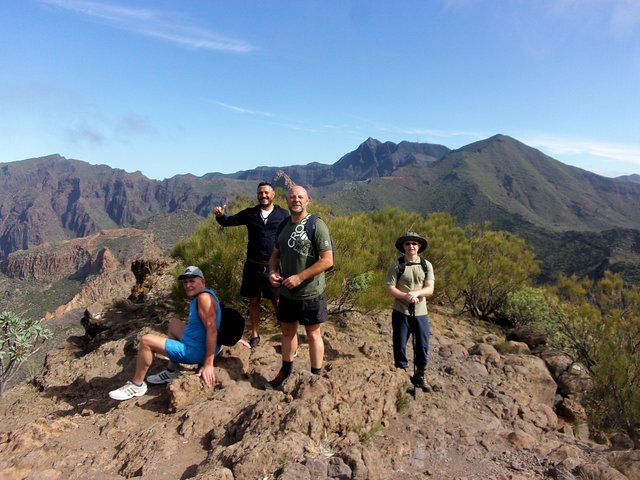
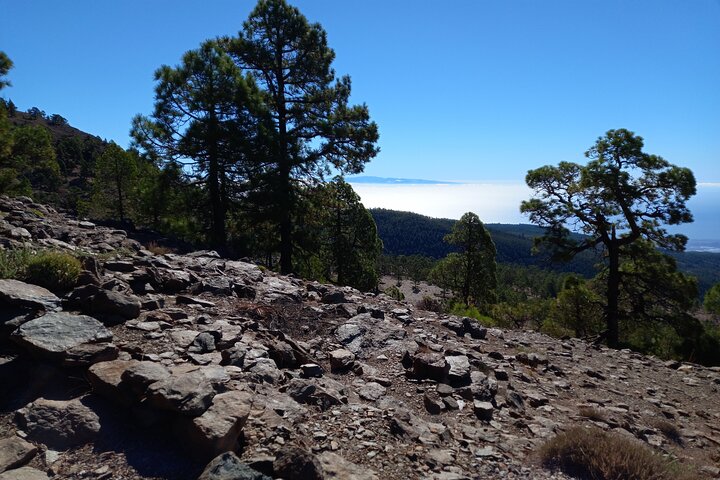
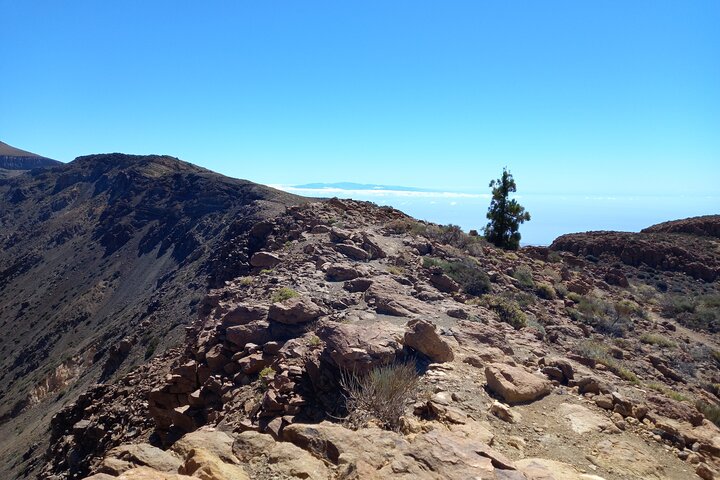
Teno Rural Park Coastal Walk
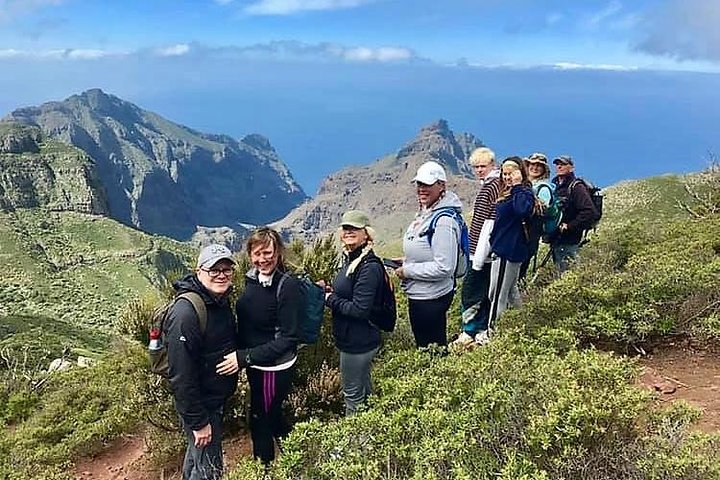
Hikers who want coastal views without extreme elevationThe Teno Massif in the north-west corner of Tenerife is less visited than Teide and Anaga, which is exactly why I like it. This walk follows the coastal path from the village of Los Silos along the cliffs toward Punta de Teno, the westernmost point of the island. The terrain is gentler than Masca, rolling hills and coastal terraces rather than a steep gorge descent, and the views along the coast toward the Los Gigantes cliffs are outstanding. The trail passes through abandoned farm terraces and past a lighthouse at the tip. Wildflowers are abundant in spring. This is a good option if you want a proper hike without the intensity of the gorge routes.
Who These Tours Are NOT For
The Masca Gorge trail involves steep, uneven terrain and about 600 metres of descent. It's not suitable for anyone with limited mobility, knee problems, or a fear of heights, some sections have exposed edges with loose gravel. The Anaga hike involves frequent stops on narrow roads through winding mountain terrain; if you get carsick easily, take motion sickness medication beforehand. None of these hikes require technical climbing skills, but proper footwear is non-negotiable. I'd also say skip the Masca Gorge in peak summer unless you start before 8 AM, the gorge traps heat and the exposed sections are brutal by midday. And if you are looking for a relaxing coastal stroll, this is not the trail for you; Masca is a serious descent that requires focus and stamina.
Amazing Anaga: Small-Group Hiking Tour (12km) in Tenerife
116 reviews · 4.9 stars
Amazing Anaga: Small-Group Hiking Tour (12km) in Tenerife, 116 verified reviews, 4.9★ average rating.
Book on Viator →Explore More
Related comparisons and guides: