Local Wisdom, The Afternoon the Wind Changed Everything
I was on a sailing yacht off Los Gigantes, the 600m cliffs that drop straight into the Atlantic, when the wind died. Completely. The sails went slack. The captain, a weathered Canarian named Domingo who has been sailing these waters for 35 years, shrugged: "The Atlantic decides. We wait." For 45 minutes we drifted in silence, the cliffs towering above us, seabirds circling, the water so deep blue it looked black. Then the wind returned, a thermal rushing down the cliff face, and we heeled over and shot across the channel toward La Gomera. Domingo grinned. "She was just thinking about it." That is sailing in Tenerife. The wind is not predictable. The Atlantic is not a lake. But when it works, when you are under sail with Los Gigantes behind you and the sun dropping into the ocean, there is no better way to see this coastline. Book a small yacht, not a big catamaran, you want a captain like Domingo, not a PA system.
Sailing Tenerife's 342 Kilometres of Coastline
We earn a commission when you book through our links on Viator, at no extra cost to you. This is how we keep the site free. Learn more →
Tenerife has 342 kilometres of coastline. The Los Gigantes cliffs rise 600 metres straight from the Atlantic, and the scale doesn't register until you're looking up from water level. I've sailed the base of those cliffs dozens of times with groups, and every time someone falls silent as the full height of the basalt wall becomes apparent. It's the kind of situation that demands to be seen from the sea. I recommend booking the 3 Hour VIP Private Luxury Boat Charter for the most intimate perspective, just 12 passengers under sail, getting close enough to feel the scale of the basalt.
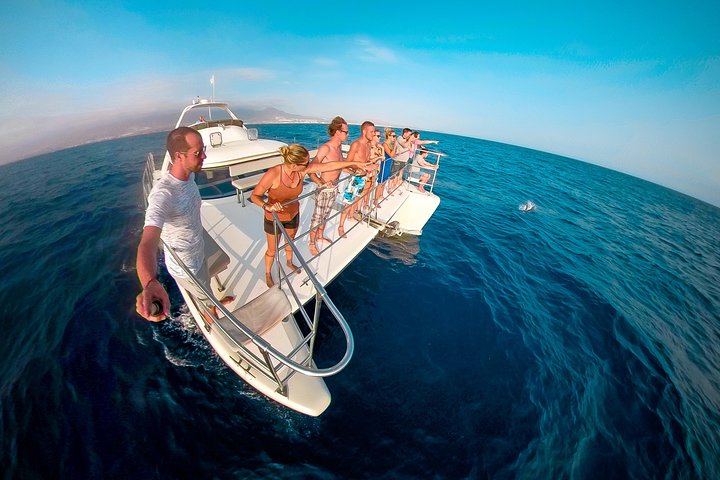
The variety of boat tours reflects this coastline's diversity. Family catamarans that cruise the south-west coast looking for dolphins and drop anchor at a secluded bay for swimming. Private sailing charters that visit the Los Gigantes cliffs, the vertical basalt walls feel much bigger when you're looking up from a small boat. Fishing trips. Party boats. Sunset cruises with sparkling wine. The range is wide, and which one suits you depends entirely on what kind of day you want on the water.
I remember taking a group of Danish retirees on a private catamaran charter two summers ago. One of them, a 72-year-old former fisherman named Erik, spent the whole trip at the bow, pointing out seabirds and reading the swell patterns. When we anchored at Masca Bay for the swim stop, he was the first one in the water, and he stayed in so long the captain had to call him back. "I've been on boats my whole life," he said, drying off, "but never in water this clear."
One afternoon I joined a sunset cruise with a honeymoon couple from New Zealand. They had booked the trip as a surprise for each other, both had planned the same tour independently. When the Los Gigantes cliffs caught the last orange light, the husband said quietly, "I didn't know the ocean could look like this." Moments like that remind me why I write these guides.
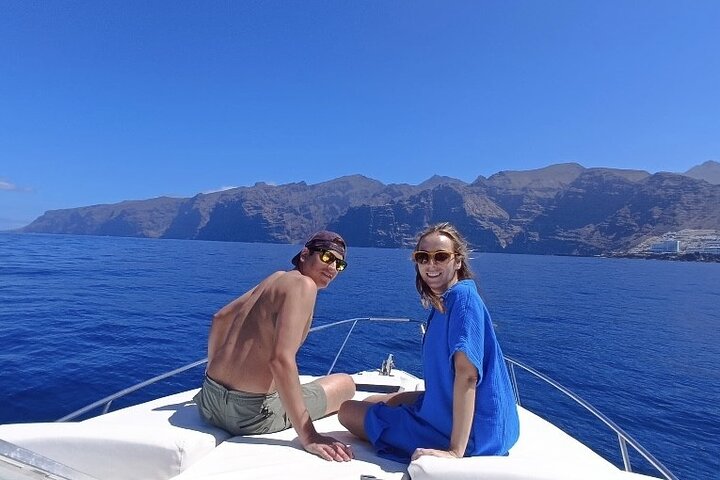
The south coast, around Costa Adeje and Los Cristianos, has the calmest seas and the most operator choice. Larger catamarans hold 50-80 passengers and offer good value; smaller yachts cap at 12-20 and give you a more personal experience. If you're prone to seasickness, a morning catamaran departure is your safest bet, the ocean is usually calmest before 11am. The highlight for me is sailing the base of the Los Gigantes cliffs. Most tours that go there also stop at Masca Bay, a cove accessible only by boat, for a swim. The water is deep and clear, and the cliff face behind you is genuinely dramatic.
The most experienced captains make the trip. There's a skipper I know who's been sailing these waters for 25 years, he knows every cove, every current, and will tell you stories about the island that you won't find in any guidebook. A good captain turns a boat ride into an experience. A bad one turns it into a commute.
Tenerife's Three Climates in One Day
Tenerife's coastline is as diverse as the island itself, shaped by the same microclimate system that creates three distinct worlds inland. On the south-west coast around Costa Adeje and Los Cristianos, the climate is dry, warm, and consistently sunny, calm seas and reliable trade winds make this an suitable area for catamaran cruises and sunset sailing. Head north to the Puerto de la Cruz area and you'll find greener landscapes, more cloud cover, and a different sea state altogether, the Atlantic swells are larger here and the coastal cliffs are draped in vegetation. The Los Gigantes cliffs on the western coast sit at the meeting point of these climate zones, which is why the conditions there can change from mirror-flat calm to rolling swell within hours. Boat captains understand these patterns intimately: morning departures in the south offer glassy seas, while afternoon sails on the west coast catch the reliable sea breezes that make sailing (not just motoring) possible.
Catamaran, Sailing Yacht, or Private Charter?
| Boat Type | Capacity | Price | Experience | Right For |
|---|---|---|---|---|
| Large Catamaran | 50-80 pax | €38-65 | Stable, great value, sunset cruises with dinner and open bar | Families, value-seekers. Can feel crowded in peak season |
| Small Sailing Yacht | 12-20 pax | €72 | Intimate, wind-powered, gets close to Los Gigantes cliff base | Those wanting an intimate sailing experience |
| Private Charter | Custom itinerary | €120+ | Flexible timing and route, you set the pace | Special occasions, groups wanting exclusivity |
For more on wildlife-focused boat trips, see the whale watching guide. For underwater exploration, the snorkeling tours page covers boat-access snorkeling spots.
Seasickness Advice
Morning departures are calmest. Choose a catamaran over a RIB for stability. Winter (December to February) has choppier seas; book a larger vessel if visiting during this Most operators offer free cancellation up to 24 hours ahead, so you can book without worrying about weather.
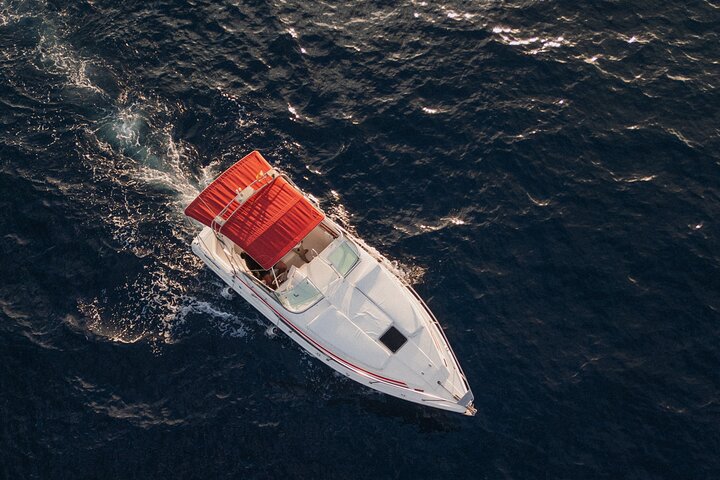
3 Hour VIP Private Luxury Boat Charter, An intimate sailing yacht with only 12 passengers, getting close to the 600-metre basalt cliffs under wind power. The skippers know the coastline intimately, and the swim stop at Masca Bay is a highlight.
What to Bring on a Tenerife Boat Tour
Windproof jacket: Even on calm days, the Atlantic breeze at 10 knots is cold. Sunscreen and sunglasses: Reflected UV off the water is intense. Swimwear and towel: Most boat tours include a swim stop. The water is 18-22°C year-round, refreshing, not warm. Seasickness medication: Take it before departure. The swell between islands is significant. Camera: Los Gigantes from water level is remarkable. Water: Some boats provide drinks, some do not, bring your own.
Top Boat Picks
After reviewing all the available tours in this category, here are the experiences I recommend most, based on quality, value, and the type of traveller each suits.
3 Hour VIP Private Luxury Boat Charter
Small groups wanting an intimate sailing experienceThe Los Gigantes cliffs are 600-metre vertical basalt walls that rise straight from the Atlantic, and the only way to properly appreciate their scale is from a small boat that can get close to the base. This is a sailing tour, not a motor catamaran, on a 15-metre yacht that holds a maximum of 12 passengers. The skipper adjusts the sails when the wind is up, and the experience of moving under wind power along the base of those cliffs is genuinely different from a motorised cruise. The tour includes a swim stop at Masca Bay (accessible only by boat), lunch, and drinks. It's more expensive than the catamarans, but the group size and the sailing aspect justify the difference.
Photo Gallery
Whale watching catamaran
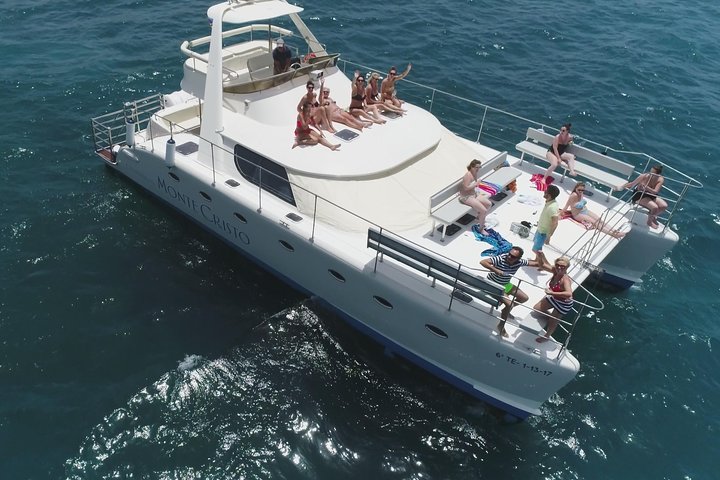
Wildlife-focused travellers on a mid-range budgetThis catamaran tour focuses on the resident pilot whale pod that lives in the channel between Tenerife and La Gomera. The hydrophone, an underwater microphone that broadcasts whale calls through the boat's speakers, makes this stand out from standard wildlife cruises. The catamaran is wider and more stable than most, and the crew includes a guide who provides natural history commentary. A swimming stop at a sheltered cove is included. The morning departure has the calmest conditions. The group size is capped at around 40, which feels comfortable without being crowded.
Who These Tours Are NOT For
Boat tours aren't suitable if you're prone to severe seasickness, even large catamarans feel the Atlantic swell. If you want to see marine wildlife up close rather than from a deck, a RIB tour is better than a catamaran. Winter months (December to February) have choppier seas; morning departures are smoother than afternoon. I'd also say skip the budget catamarans during peak season if you value personal space, I have been on boats with 80 passengers where you cannot reach the rail without squeezing past three rows of chairs. And do not book a party boat if you want to hear the captain's stories or appreciate the coastline in peace; the music and crowds drown out everything else.
Leaders in Eco Respectful No chase whale and dolphin encounters
2224 reviews · 4.59★ avg · from €28/person
Top-rated experience in the area. Great reviews, excellent value.
Book on Viator →Whale Watching Eco-Adventure from Costa Adeje
2188 reviews · 4.95★ avg · from €74/person
Top-rated experience in the area. Great reviews, excellent value.
Book on Viator →Explore More
Related comparisons and guides: