Local Wisdom, The Secret Pool Nobody Mentions
Everyone goes to the big natural pools, Garachico, Bajamar. And they are crowded. The pool I take my friends to is a small volcanic inlet near El Puertito, on the southwest coast, that does not appear in any guidebook I have read. The rocks form a natural half-moon pool about 15m across, protected from the Atlantic swell. At low tide, the water is waist-deep and crystal clear. I have seen octopus here three times, small ones, camouflaged against the black volcanic rock. You need water shoes, the rocks are sharp and sea urchins live in the crevices, and you need to go at low tide. But on a weekday morning, you will have it to yourself. That is the real Tenerife. Not the resort pools. The volcanic coastline that the island has been sculpting for 12 million years.
Volcanic Reefs and Natural Pools
We earn a commission when you book through our links on Viator, at no extra cost to you. This is how we keep the site free. Learn more →
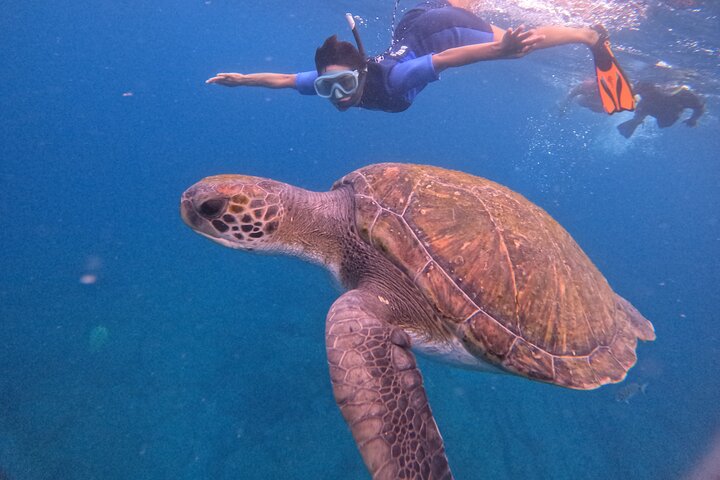
Tenerife's snorkeling is different from the tropical coral reef experience most people picture. The underwater situation here is volcanic, basalt rock formations, submerged arches, and kelp forests that sway with the Atlantic swell. The water clarity is often excellent, 20-30 metres visibility in summer, and the marine life is abundant because the Canary Current brings nutrient-rich water from deeper Atlantic layers. I recommend booking the Tenerife Snorkeling Tour turtle habitat for the clearest water and densest fish populations, the decade-old fishing ban has made this a top spot on the island.
I took a French family to the Garachico pools one August morning. The father was sceptical at first, he had been told Tenerife's snorkeling was not as colourful as the Red Sea. Fifteen minutes in the water, he surfaced holding up his GoPro, grinning, and gestured at a school of damselfish that had gathered around a submerged volcanic arch. "I take it back," he said. "The colours are different, but this place has its own character."
I found a small cove near El Porís de Abona while scouting for a private tour last spring. The water was so still that the surface looked like polished glass. I swam out to a rocky outcrop and saw a massive ray lying on the sandy bottom, half-buried, completely still. I floated above it for ten minutes, just breathing, watching the gills pulse. When I finally swam back, the guide I was with told me that ray had been visiting that exact spot for seven years.
My favourite spot on the island for a quiet snorkel is Garachico on the north coast. The volcanic eruption of 1706 destroyed the original harbour and created a series of natural lava rock pools that trap seawater at high tide, forming calm, shallow swimming areas teeming with small fish. They're free to access, uncrowded, and the water is clearer than any resort pool. Go at low tide when the pools are replenished and the visibility is highest. The black volcanic rock contrasts with the turquoise water in a way that photographs beautifully, and you'll see more marine life here than at most beach entries.
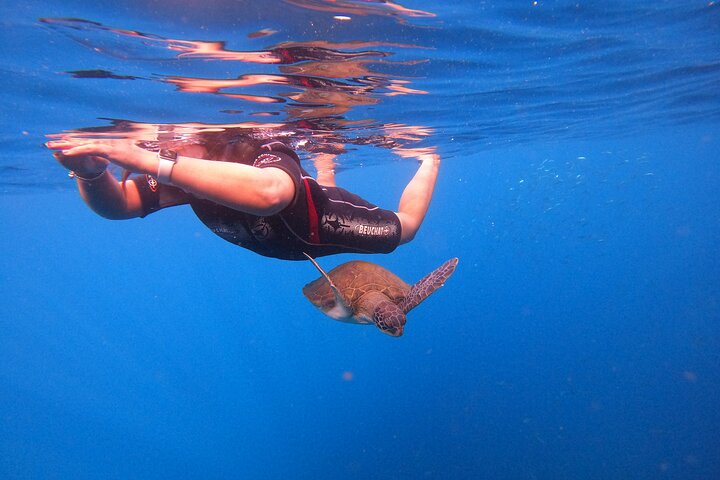
The top boat-accessible spots are in the marine protected areas around Abades and El Porís de Abona on the south-east coast, where fishing restrictions have allowed fish populations to recover. Parrotfish, damselfish, rays, moray eels peeking out from crevices, and if you're lucky, a sea turtle gliding past. The coves at the base of the Los Gigantes cliffs are also excellent, accessible only by boat, which means fewer people and more fish. For sea turtles, the areas near El Médano and the south-east coast offer the highest chances, they surface to breathe every 5-10 minutes and are most active in the morning.
I noticed a young woman from Germany sitting on the rocks at Abades, mask pushed up, clearly frustrated. When I asked if she was okay, she said she could not get her snorkel to stop fogging. I showed her how to rub a drop of baby shampoo inside the lens. She went back in for another hour and came out beaming, having spotted a parrotfish the size of her forearm. It was a small thing, but she called it the best moment of her holiday.
Where to Snorkel in Tenerife
| Spot | Access | Experience | Best For | Cost |
|---|---|---|---|---|
| Abades Marine Reserve | Guided tour or boat | Protected reserve, densest fish population on the island | Beginners, families | €42 guided |
| Los Gigantes Cliffs | By boat only | 600m cliff backdrop, clear water, fewer people | Scenery seekers, photographer | €55 tour |
| Garachico Natural Pools | Free, shore entry | Volcanic lava rock pools, small fish at low tide | Budget travellers, DIY | Free |
| Playa de la Tejita | Free, shore entry | Natural marine habitat, sea turtle sightings | Early birds, wildlife | Free |
What to Wear, 3mm Wetsuit Matters
The Canary Current keeps the water cooler than the air temperature suggests. A 3mm shorty wetsuit is recommended year-round, you'll stay in the water longer and see more. Water shoes are essential for the volcanic reef (the basalt is sharp). Prescription masks are available on request from most operators. Flotation vests are provided for less confident swimmers.
Best visibility is in summer (20-30m). Winter has reduced visibility and stronger currents. Morning is calmest. For boat-access snorkeling, see the boat tours page. For whale watching from the water, the whale watching guide includes combo tours that pair snorkeling with wildlife viewing.
Tenerife Snorkeling Tour turtle habitat (€42), The protected marine reserve has the densest fish population on the island, and the guided tour includes all equipment and a knowledgeable guide. A perfect introduction to Tenerife's underwater world.
Top Snorkeling Picks
After reviewing all the available tours in this category, here are the experiences I recommend most, based on quality, value, and the type of traveller each suits.
Tenerife Snorkeling Tour turtle habitat
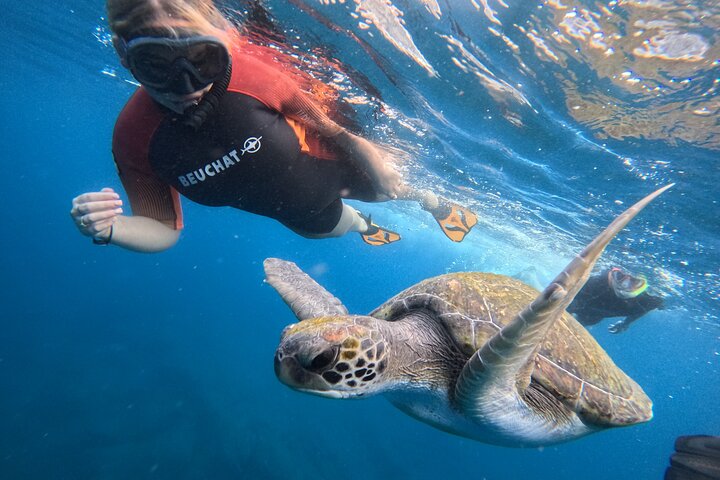
First-time snorkelers and familiesThe Abades marine reserve on the south-east coast is one of the most protected snorkeling spots in Tenerife. Fishing restrictions have been in place for over a decade, and the fish population here is noticeably denser than outside the reserve. The guided tour provides wetsuits (3mm shorty), mask, snorkel, fins, and a flotation vest if needed. The guide leads the group along the volcanic reef, pointing out species, parrotfish, damselfish, rays, and the occasional sea turtle. The water is typically calm and clear (15-25 metres visibility). This is a gentle introduction to Tenerife's underwater world and suitable for most fitness levels.
Tenerife Snorkeling Tour turtle habitat
Those who want cliff scenery plus snorkelingThis tour combines a boat trip along the Los Gigantes cliff coastline with a snorkeling stop at Masca Bay, a cove accessible only from the water. The cliffs provide the backdrop, and the water clarity at the base of the rock face is exceptional, you can see the wall descending into the deep blue, with fish congregating around the volcanic rock formations. The tour is on a catamaran, which means a stable platform for getting in and out of the water. Equipment is provided, and the crew keeps a close eye on swimmers. The boat portion before and after the snorkeling stop covers the most dramatic cliff views, making this a half-day outing that covers two Tenerife highlights.
Photo Gallery
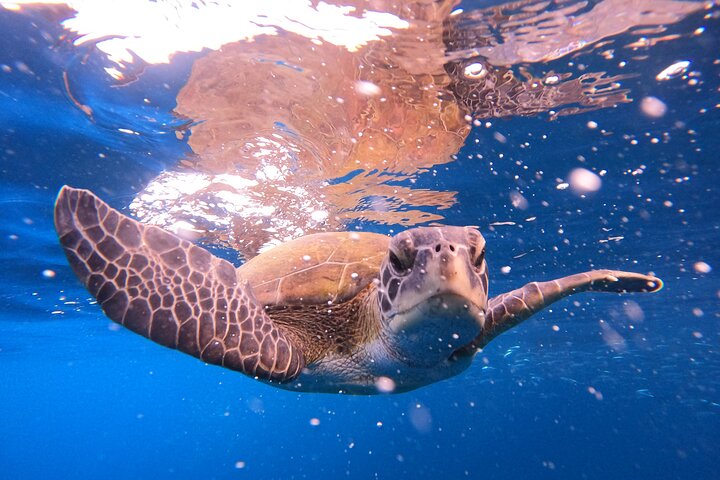
Tenerife Snorkeling Tour turtle habitat
Confident swimmers who want to visit specific spotsA private guide takes you to 2-3 snorkeling spots in a single session, tailored to your experience level and interests. The advantage over group tours is flexibility: if you're a strong swimmer, the guide can take you to more exposed spots with richer marine life. If you're less confident, you stay in sheltered coves. The guide brings high-quality equipment (prescription masks available on request) and provides detailed underwater identification of the species you encounter. The price covers up to four people, making it reasonable for a small group or family who want a dedicated experience.
Who These Tours Are NOT For
Snorkeling tours depend heavily on sea conditions, winter months (December to February) can have reduced visibility and stronger currents. If you can't swim confidently, most operators provide flotation vests but the open-water environment may still feel intimidating. The volcanic reefs have sharp edges; water shoes are recommended even if you're comfortable without fins. I'd also say skip the Los Gigantes cliff snorkeling if the Atlantic swell is up, I have taken groups there on rough days where the surge pushed people into the rocks, and nobody enjoyed it. And do not expect tropical coral reef colours; some visitors arrive disappointed because they compare Tenerife's volcanic reefs to the Maldives. The experience here is different, basalt arches, kelp forests, and rays on the sandy bottom, and it rewards a curious eye more than a checklist mentality.
Teide National Park, Dinner, Sunset & Stargazing Coach Tour
2834 reviews · 4.77★ avg · from €74/person
Top-rated experience in the area. Great reviews, excellent value.
Book on Viator →Leaders in Eco Respectful No chase whale and dolphin encounters
2224 reviews · 4.59★ avg · from €28/person
Top-rated experience in the area. Great reviews, excellent value.
Book on Viator →Explore More
Related comparisons and guides: