Local Wisdom, The Guachinche Where Nobody Speaks English
My uncle runs a guachinche, these are the traditional Canarian pop-up restaurants, usually operating from someone's garage or garden, serving home-grown wine and home-cooked food. His is in La Orotava, up a road so narrow the guagua does not go there. He opens Friday to Sunday, serves whatever his wife cooked that morning, and the wine list is two options: red or white, both from his own vineyard on the valley slopes. No menu. No English. No cards. The first time I took non-Canarian friends there, they looked terrified. By the second glass of vino del país, they were asking for the recipe for the carne fiesta. That is Canarian food culture. Not the tourist paella on the Costa Adeje promenade. The guachinches, the family vineyards, the papas arrugadas with mojo made by someone's grandmother. If you want to eat the real Tenerife, find a guachinche. They are not on Google Maps, ask a local. Or ask me.
Canarian Flavours, Beyond the Tourist Menus
We earn a commission when you book through our links on Viator, at no extra cost to you. This is how we keep the site free. Learn more →
If I had to pick one meal that captures Tenerife for me, it's not in a Michelin-starred restaurant in the south. It's at a roadside guachinche in the La Orotava valley, a family-run spot with plastic chairs, a handwritten menu on a whiteboard, and the smell of grilled meat drifting out onto the street. Guachinches are informal eateries, often attached to farms or vineyards, where the food is simple and the wine comes directly from the producer's barrel. There's no website, no reservation system, and the menu changes depending on what's in season. I recommend booking the Tenerife Bodegas Monje Winery Tour for a guided introduction to the volcanic terroir, three bodegas with tastings and a paired lunch. That's real Canarian food, unpretentious, locally sourced, and deeply connected to the volcanic soil it's grown on.
Tenerife's food scene doesn't get the attention it deserves. The island's patchwork of microclimates supports agriculture that's remarkably diverse for a place you can drive across in two hours, tropical fruits in the humid north, vineyards on the volcanic slopes of the Orotava Valley, small-plot farming that has sustained Canarian families for centuries. The result is a culinary identity that draws from Spanish, Guanche, and Latin American influences, filtered through the constraints and gifts of volcanic soil.
I spent an afternoon at a bodega in the Valle de Güímar with a winemaker named Carlos whose family has been growing Listán Negro grapes on the same plot since 1783. He poured me a glass of his 2020 red and said, "This wine tastes like this volcanic slope. You could not make it anywhere else on Earth." I have never forgotten that phrase because it applies to everything Canarian, the cheese from Teno, the mojo from La Orotava, the salt-crusted potatoes that come from soil that was once molten rock.
The wine is the standout. Tenerife has five Denominación de Origen zones, Tacoronte-Acentejo (oldest, established 1992), Valle de la Orotava (most scenic, vineyards terraced into steep slopes), Valle de Güímar, Abona, and Ycoden-Daute-Isora, each producing wines with a discernible mineral quality from the volcanic terroir. The Listán Negro (red) and Listán Blanco (white) grapes are the stars here, and the sweet Malmsey (Malvasía) wines from the island were among the most prized in Elizabethan England. A good bodega tour will walk you through the differences between the DO zones and give you a sense of how altitude and aspect affect the same grape.
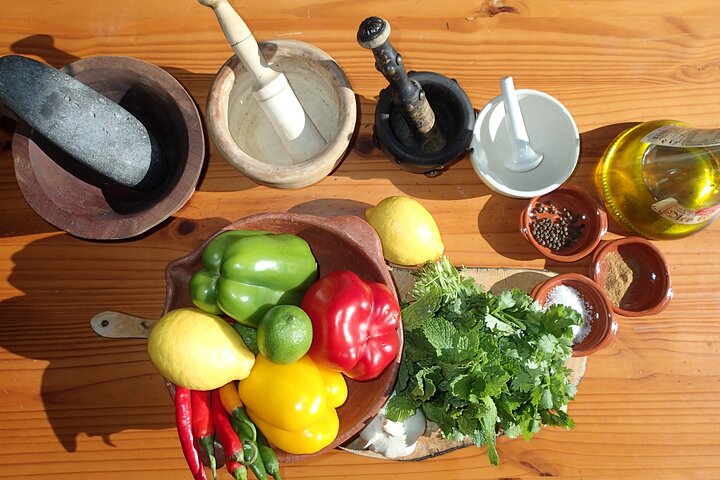
The local dishes to look for: papas arrugadas con mojo (small salted potatoes boiled until wrinkled, served with mojo sauces), conejo en salmorejo (rabbit stewed with garlic and thyme), fresh vieja (parrotfish) just grilled with oil and salt, and almogrote, a potent cheese spread from La Gomera. The mojo picon deserves its own mention: it's a red sauce made from dried red peppers, garlic, olive oil, vinegar, and cumin. The authentic versions are made fresh daily, and the one at Bar La Máquina in La Orotava has a slow-building heat that catches you off guard, it hits the back of your throat about three seconds after you swallow. Pair any of these with a glass of vino de tea, wine aged in the wood of the local tea pine, for a distinctly Tenerife experience.
Where to Find Real Canarian Food
Bar La Máquina (La Orotava): The most memorable mojo picon on the island. Order conejo en salmorejo and ask for extra mojo rojo. Cash only, no website, always busy at lunch.
Guachinches in La Orotava valley: Look for the handwritten signs along the road between La Orotava and Los Realejos. The menus change daily based on what's fresh. Try the grilled cabra (goat) if it's available, it's a Canarian speciality you won't find in tourist restaurants.
Domingo's Goat Farm (Teno mountains): Domingo has been making cheese in the same stone building for 40 years. His fresh goat cheese, served with mojo verde and crusty bread, is the most memorable I.ve had on the island. He'll show you the milking shed and explain why the volcanic soil gives his goats' milk a different mineral profile than the farms in the valleys below. Call ahead; he doesn't always have stock.
For guided experiences, the hiking trails page includes post-hike food recommendations. After a day on the mountain, there's no better way to end than at a guachinche in the valley below.
Tenerife Bodegas Monje Winery Tour, Visiting three volcanic-terroir bodegas with tastings, history, and a paired lunch makes this a perfect introduction to Tenerife's five DO wine zones. The guide's knowledge of Canarian wine history adds real depth.
What to Know Before a Tenerife Food Tour
Come hungry: Canarian portions are generous and food tours here are not light, expect 5-7 stops with wine at each. Cash: Many guachinches and family-run bodegas are cash-only. Bring €40-60. Learn basic phrases: "Guachinche recomendado?" (recommended guachinche?), "Vino del país, por favor" (local wine, please). Outside the resort zones, English is rare. Pace yourself: The wine pours are generous and the mojo is spicy. Drink water between stops. Afternoon tours are better: Canarian lunch culture runs 1-4 PM. Evening food tours catch the tail end.
Top Food and Wine Picks
After reviewing all the available tours in this category, here are the experiences I recommend most, based on quality, value, and the type of traveller each suits.
Tenerife Bodegas Monje Winery Tour
Wine enthusiasts wanting to understand Tenerife's DO zonesThis tour visits three bodegas in the Valle de la Orotava, one of Tenerife's five Denominación de Origen zones and arguably the most scenic, with vineyards terraced into steep volcanic slopes overlooking the Atlantic. The tour covers the full production process from vine to bottle, with tastings at each stop that highlight how altitude and aspect affect the same Listán Negro and Listán Blanco grapes. Lunch is included at one of the bodegas, local dishes paired with the wines. The guide provides context on Tenerife's wine history (Malmsey from these slopes was among the most prized wines in Elizabethan England). This is a full half-day and requires comfortable walking shoes for the vineyard strolls.
Canarian Cooking Class Tenerife
Travellers who want a relaxed food experience in a historic settingSan Cristóbal de La Laguna is Tenerife's former capital and a UNESCO World Heritage Site, and its old town is filled with traditional tapas bars and wine taverns that have been operating for generations. This walking tour takes you to 4-5 establishments, each with a different specialty, one might focus on seafood tapas, another on Canarian cheeses and almogrote, a third on local wines by the glass. The guide provides context on each dish and its origins. The group size is small (maximum 10) and the pace is relaxed. The tour ends in the main square, which has several excellent bars if you want to continue independently. This is a social, engaging way to understand Canarian food culture without committing to a full-day wine tour.
Photo Gallery
Canarian Cooking Class Tenerife
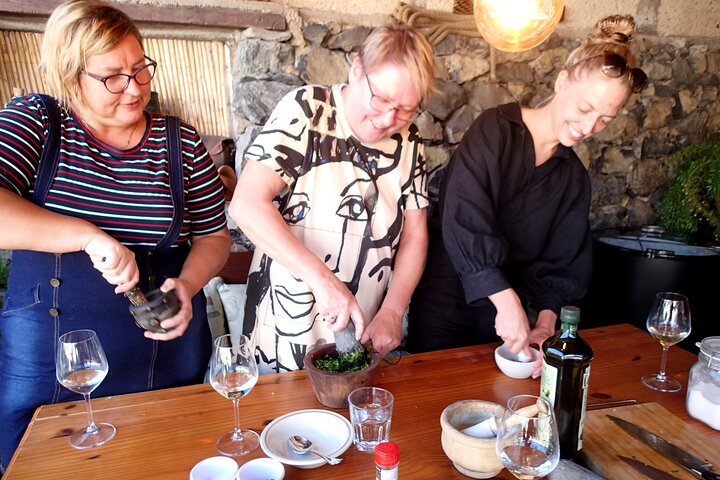
Foodies who want to learn Canarian cooking techniquesThe day starts at the Nuestra Señora de África market in Santa Cruz, where the chef guides you through selecting fresh local ingredients, the varieties of bananas, the different types of mojo ingredients, the local cheeses and fish. Then you head to a nearby cooking studio to prepare a three-course Canarian meal: typically a starter like garbanzas (chickpea stew), a main of fresh fish or chicken in salmorejo sauce, and a dessert like bienmesabe (an almond-based sweet). The class is hands-on, not demonstration-only. Wine pairings with each course are included. You eat what you cook, and you get the recipes to take home. This is one of those experiences that sounds touristy but delivers genuine insight into how Canarian home cooking actually works.
Who These Tours Are NOT For
Food and wine tours involve extended periods of standing and walking between locations, they're not suitable if you have limited mobility. Wine tours include multiple tastings (typically 4-6 glasses across a full-day tour), so they're not suitable for anyone avoiding alcohol. Vegetarian and vegan options are available on most tours but should be confirmed at booking, Canarian cuisine is heavily meat and seafood based. I would also say skip the tapas tour if you are in a hurry, the whole point is the slow pace, and I have seen guests grow frustrated moving between four venues over three hours when they just wanted a quick meal.
Tenerife Bodegas Monje Winery Tour with Wine and Cheese Tasting
131 reviews · 4.3 stars
Tenerife Bodegas Monje Winery Tour with Wine and Cheese Tasting, 131 verified reviews, 4.3★ average rating.
Book on Viator →Canarian Cooking Class in Ancient Tenerife Village
58 reviews · 5.0 stars
Canarian Cooking Class in Ancient Tenerife Village, 58 verified reviews, 5.0★ average rating.
Book on Viator →Explore More
Related comparisons and guides:
- Tenerife vs Gran Canaria: Which Canary Island is Right for Your Hiking Trip?
- Masca Gorge, Guided Tour vs DIY Access
- Morning vs Afternoon Whale Watching, What's the Best Time to Go?
- Los Gigantes vs Costa Adeje Whale Watching, Which Departure Point Is Best?
- Canarian Cooking Class in Ancient Tenerife Village: Honest Review & Tips