Local Wisdom, The Family I Found Stranded at the Cable Car
We earn a commission when you book through our links on Viator, at no extra cost to you. This is how we keep the site free. Learn more →
August 2020, 10:30 AM. I was walking back from the Parador de las Cañadas toward the cable car base station when I saw a family of four, mother, father, two teenagers, standing by their rental car, looking at their phones with the particular expression of people whose plan has just collapsed. They had driven up from Los Cristianos at 8 AM, arrived at 9:30, and exploreed three things at once: the cable car parking was full, the summit permits for the Telesforo Bravo trail had sold out three weeks ago, and the next available cable car slot was at 2 PM. They had done everything the travel blogs told them to do, wake up early, drive up the TF-21, bring water, but nobody had told them about the permit system, the parking situation, or the fact that August is the busiest month of the year. The father asked me, genuinely frustrated, "How do you actually visit this mountain?" I explained the options. They ended up driving the TF-21 circuit, stopping at the Roque de García, and hiking the Sendero de los Piornales, and they had a wonderful day. But it was not the day they had planned. That is why I wrote this Teide National Park guide. Small Group Teide National Park Volcanic and Forest Wonders is not a place you can just show up to. It rewards planning. It punishes winging it. As a former park ranger, I have seen both outcomes. Here is everything you need to know.
The Real Logistics of Visiting Teide
Teide National Park is Spain's most visited national park, with over four million visitors per year. The infrastructure, the cable car, the access roads, the summit trail, was not designed for that volume. The result is a system of permits, timed slots, and limited parking that catches first-time visitors off guard. Understanding this system is the difference between a smooth visit and a frustrating morning in a car park. Here is the breakdown, guided tour versus doing it yourself.
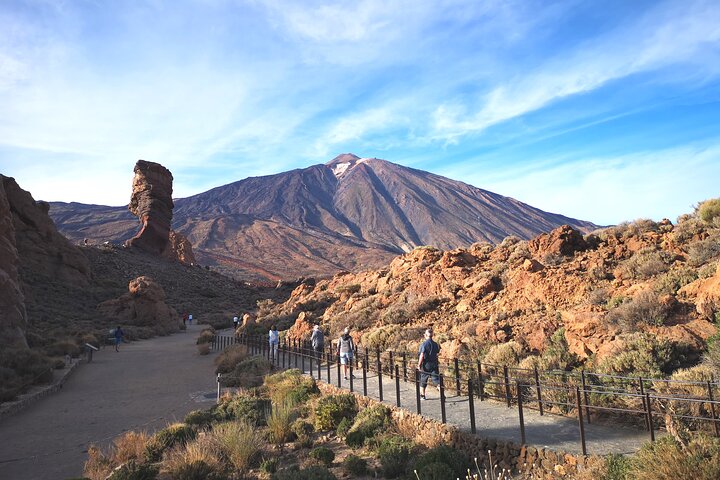
I remember guiding a family from Australia who had done weeks of research online. They had the permit page open on their phone, the cable car booking confirmed, and a printout of the TF-21 route. The father handed me a folder with colour-coded tabs and said, "I think we are ready." He was. They had a perfect day. But he told me at the end that the six hours of planning had felt like a second job. That is the trade-off in a nutshell.
Guided Tour, Someone Else Handles Everything
When you book a guided Teide tour, the operator solves every logistical problem for you. This is not an exaggeration, it is the primary value proposition. Here is what a guided tour includes that DIY visitors have to figure out themselves:
- Transport from your hotel. Most guided tours include pickup from Costa Adeje, Los Cristianos, Playa de las Américas, and sometimes Puerto de la Cruz. You do not need a rental car, you do not need to navigate the TF-21 mountain road (which has switchbacks and cyclists), and you do not need to find parking. The tour bus or minivan handles all of this.
- Cable car tickets. Operators pre-book cable car slots, so you skip the queue at the ticket office and go straight to the boarding area at your assigned time. During peak season (July–September, Christmas, Easter), same-day cable car tickets often sell out by 10 AM. A guided tour eliminates that risk.
- Summit access permits. The Telesforo Bravo trail, the final 650 metres from the cable car upper station to the summit crater at 3,715 metres, requires a free permit from tenerifeon.es. Only 200 permits are issued per day, and they sell out weeks in advance during summer. Many guided tours include the summit permit in the package, meaning the operator secures it for you. This is the single biggest advantage of a guided tour. I cannot overstate how many disappointed visitors I saw standing at the permit checkpoint, looking up at the summit trail they could not walk.
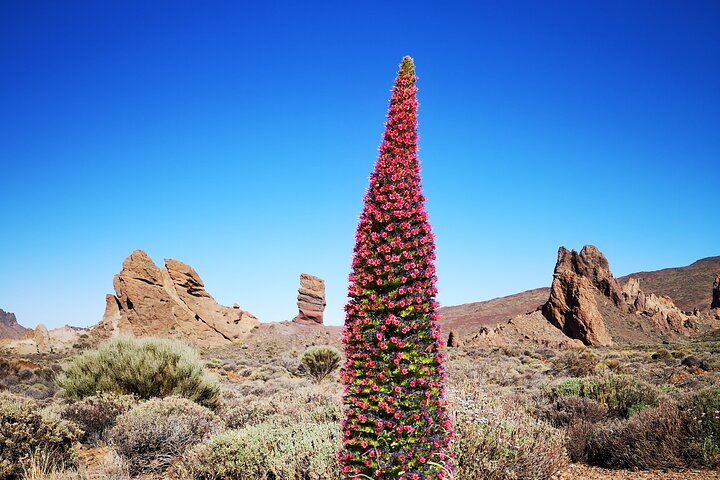
- Guide expertise. A good guide does not just drive you there, they explain the geology, point out endemic plant species like the Teide violet, tell you about the Guanche people who considered the mountain sacred, and answer the questions you did not know you had. On a DIY visit, you are reading information boards. With a guide, you are having a conversation with someone who has spent years on this mountain.
Guided tour price range: €38–140 per person. The €38 cable car ticket tour gets you transport and the cable car ride, but not the summit permit. The €55 guided hike walks you across the volcanic terrain of Las Cañadas. The €75 sunset-and-stargazing tour is the evening option. The €140 private sunrise tour includes summit access and breakfast. You are paying for logistics, expertise, and peace of mind.
DIY, Cheaper, but You Handle Everything
Visiting Teide independently saves money, but it requires planning. Here is what you need to arrange yourself:
- Transport. You need a rental car, there is no other practical way to reach the park independently. Bus 342 runs from Costa Adeje to the cable car station (1 hour 30 minutes, €8.30 one way), but it runs infrequently and the timetable does not always align with cable car slots. Driving from the south takes about 1 hour via the TF-1 and TF-21. The TF-21 from La Orotava is shorter (45 minutes) but steeper and more winding. Both roads are paved and well-maintained, but they are mountain roads, if you are nervous about driving on switchbacks at altitude, book the guided tour.
- Parking. The cable car base station car park costs €10 per day and fills by 9:30 AM in peak season. If you arrive after 10 AM in July or August, you will likely be redirected to overflow parking at the Parador de las Cañadas, a 15-minute walk from the cable car station. The Parador car park is larger but also fills during peak periods. Roadside parking is prohibited and enforced, I have seen cars towed.
- Cable car tickets. You must book these in advance at volcanoteide.com. Time slots are hourly from 9 AM to 4 PM (last ascent). The 9 AM and 10 AM slots sell out first. Book at least two weeks ahead in peak season, and at least three days ahead in the off-season. Walk-up tickets are available but unreliable, I have seen the "sold out" sign go up before 10 AM on busy days.
- Summit permit (Telesforo Bravo trail). This is the critical one. The permit is free but limited: 200 per day, released in two batches, half 30 days in advance, half the day before at 9 AM local time, on tenerifeon.es. You need to create an account, select Teide National Park, choose "PNT 10 Telesforo Bravoº 7, Telesforo Bravo," and select your date and time slot. The permits for summer dates disappear within hours of release. If you miss out, you cannot walk the summit trail, there are rangers at the checkpoint checking every hiker.
- Road closures. The TF-21 can close in winter due to snow and ice at altitude. The TF-24 (La Esperanza road) is an alternative but adds 30 minutes to your journey. Check road status at carreteras.tenerife.es before leaving. In summer, the roads are open but the heat at lower elevations can be intense, start early.
DIY estimated cost: €51–71 per person. That breaks down to roughly €10 parking + €41 cable car + €0 summit permit + petrol. If you skip the cable car (the Sendero de los Piornales hike is free and requires no permit), the cost drops to just petrol and parking. But you will not reach the summit, you will be hiking at 2,100–2,200 metres on the caldera floor, which is a different experience.
One morning I met a solo traveller from Japan at the Parador car park who had done the DIY route perfectly. He had booked his cable car slot three weeks in advance, scored a summit permit, and arrived at 8:15 AM to find parking easily. He spent four hours at the summit, took a panorama of the entire island, and was back in his rental car by 2 PM. He smiled and said, "It was like playing a strategy game, and I won." That is the DIY approach at its best: careful, rewarded, and deeply satisfying.
At-a-Glance Comparison:
| Feature | Guided Tour | DIY |
|---|---|---|
| Cost per person | €38–140 | €51–71 (with cable car) |
| Transport | Included from Costa Adeje / Los Cristianos | Rental car required; bus 342 is an option |
| Cable car ticket | Pre-booked by operator, guaranteed | Must book yourself; can sell out |
| Summit permit | Often included, operator secures it | Must book yourself at tenerifeon.es; 200/day |
| Parking | Not needed, tour bus parks at designated area | €10/day; fills by 9:30 AM in peak season |
| Guide expertise | Geology, flora, history, Guanche culture | Information boards and your own research |
| Flexibility | Fixed itinerary, follow the group schedule | Full flexibility, stay as long as you want |
| Stress level | Low, operator handles everything | Moderate to high, permits, parking, timing |
| Best for | First-time visitors, summit access, stress-free experience | Experienced travellers, budget-conscious, flexible schedule |
Which One Should You Choose? My Honest Take
If your goal is to reach the summit crater, the actual summit of Spain's highest peak, book a guided tour that includes the summit permit. This is not negotiable advice. The 200 daily permits are the bottleneck, and operators have a far better success rate securing them than individual travellers. I have stood at the Telesforo Bravo trail checkpoint and watched dozens of people turned away because they did not have a permit. The guided tour costs more, but you are paying to guarantee the experience you came for.
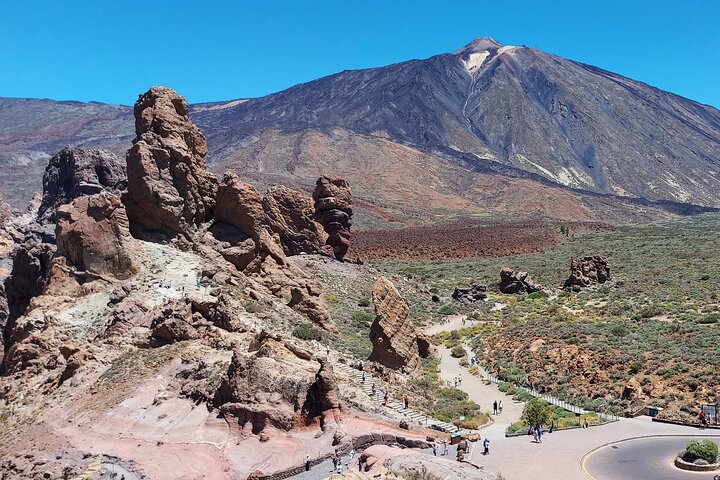
If you just want to ride the cable car to 3,555 metres, take photos from the upper station viewing platforms, and explore the caldera at your own pace, DIY is perfectly viable. Book your cable car ticket online at least a week ahead, arrive at the car park by 9 AM, and you will have a smooth visit. The view from the upper station is impressive even without the summit hike. Combine it with a short walk at the Roque de García and a drive along the TF-21 circuit, and you have a full, memorable day at minimal cost.
If you are staying in Costa Adeje or Los Cristianos and do not want to rent a car, book the guided tour. The bus journey alone is an hour each way on mountain roads, and the tour operator handles navigation, parking stress, and timing. For the €38 cable car ticket tour, you are paying for transport plus a guaranteed cable car slot, the guide's commentary is a bonus. If you rent a car purely for Teide, factor in the rental cost (€25–40/day) plus fuel (€15–20) plus parking (€10), the guided tour at €38 starts to look like the smarter financial choice.
If you are a hiker who wants to walk on a volcano but does not need the summit, skip the cable car entirely and do the Sendero de los Piornales independently. It is free, requires no permit, starts from the Parador car park (free parking), and is a genuine volcanic situation hike at 2,100 metres. You will not reach the summit, but you will walk across terrain that looks like the surface of Mars. Bring 2 litres of water, sun protection, and sturdy shoes. Start by 9 AM before the heat builds.
I met a German couple who had done exactly that, they spent four hours hiking the Piornales trail, and when I asked if they were disappointed about missing the summit, the wife laughed. "We saw the summit from below. It looked beautiful. But this, walking through the caldera, touching the lava rocks, hearing nothing but wind, this felt like we had the whole mountain to ourselves." Some of the best Teide experiences never reach the peak.
Teide by Night: Sunset and Stargazing with Telescopes Experience (€75), If you are going to pay for a guided tour, make it this one. The sunset-plus-stars combo is the most complete Teide evening experience, and the operator handles transport, timing, and the astronomical equipment. Worth every euro.
What to Bring for Either Optione.
Summit permit (DIY): Printed or on your phone. Rangers check at the Telesforo Bravo trail entrance. Warm layers: The summit is 15–20°C colder than the coast. Wind chill regularly pushes the felt temperature below freezing. Water (2L minimum): Altitude dehydrates you faster, and there are no water sources on the trails. Sunscreen SPF 50+: At 3,500 metres, you are above much of the atmosphere's UV protection. Sturdy boots: The summit trail is loose volcanic scree, trainers with no grip are dangerous. Headlamp: All sunrise summit hikes start in darkness. Gloves: The handrails on the summit trail are metal and freezing before sunrise. Check the cable car status: It closes in high wind (>60 km/h). Check volcanoteide.com before leaving.
Top Guided Teide Tours
If the logistics of DIY feel overwhelming, or if summit access is your goal, here are the three guided tours I recommend, each solving the permit-and-transport problem for a different type of traveller.
Teide National Park - Dinner, Sunset & Stargazing Experience
Best for reaching the summit without the permit headacheThe most straightforward guided option. You get hotel pickup from the south coast resorts, a pre-booked cable car ticket, and time at the upper station (3,555 metres). The guide provides commentary on the geology and points out landmarks visible from the viewing platforms. This tour does not include the summit permit for the Telesforo Bravo trail, you stay at the upper station area. But the views across the Cañadas caldera to the Atlantic, with Gran Canaria visible on clear days, justify the trip alone. Passend if you want the cable car experience without the stress of driving, parking, and booking your own slot.
Sunset and Stargazing Experience from Teide
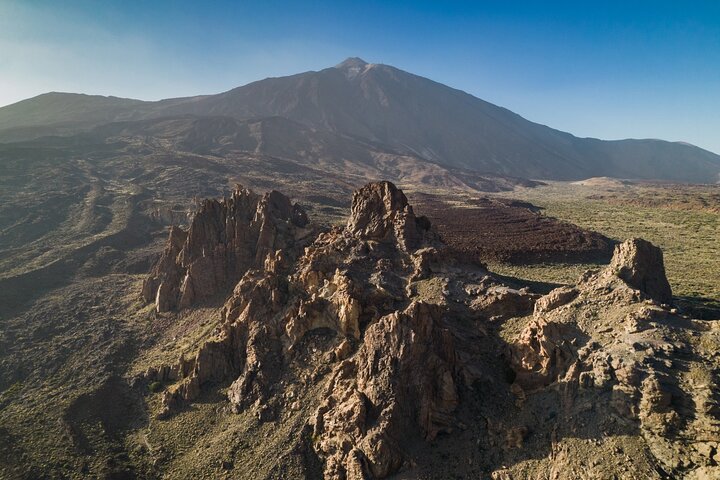
Best for active travellers who want to walk on the volcanoA guided hike across the volcanic terrain of Las Cañadas at around 2,200 metres. The route follows marked trails through the lunar situation, past volcanic cones, lava flows, and rock formations shaped by millennia of erosion. No cable car, no summit permit needed, the hike stays on the caldera floor, which is its own kind of impressive. The guide explains the geology and points out endemic plant species like the Teide violet. About 6 kilometres with gentle elevation changes. Sturdy trainers are sufficient, though boots are better. Transport from the south included. If the summit permit system feels overwhelming, this is the best guided alternative, you still walk on a volcano, just not the summit cone.
Photo Gallery
Teide National Park, Dinner, Sunset & Stargazing Coach Tour
Teide National Park, Dinner, Sunset & Stargazing Coach Tour: 2818 reviews, 4.8★. A top-rated Tenerife experience.
Book on Viator →Teide by Night: Sunset and Stargazing with Telescopes Experience
Teide by Night: Sunset and Stargazing with Telescopes Experience: 1564 reviews, 4.7★. A top-rated Tenerife experience.
Book on Viator →Sunset and Stargazing Experience from Teide
Sunset and Stargazing Experience from Teide: 1200 reviews, 4.6★. A top-rated Tenerife experience.
Book on Viator →Night Hike to Summit of Teide (3718m) Sunrise from 3200m
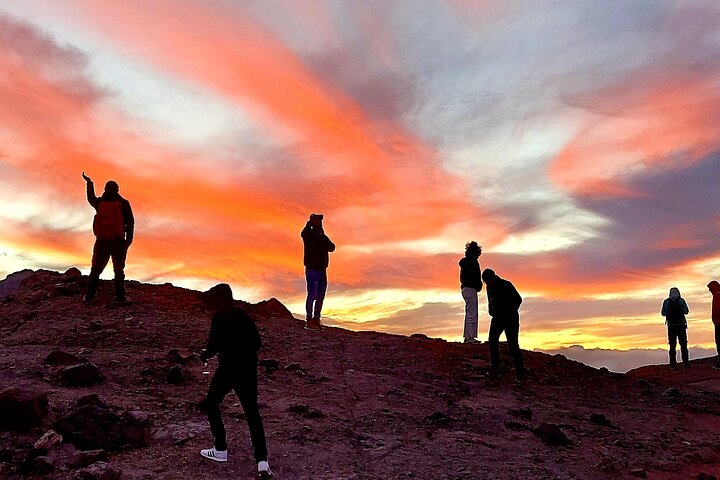
Best for special occasions, anniversary, birthday, honeymoonThe complete guided Teide experience, and the one where the summit permit is handled entirely for you. A private guide picks you up before dawn (around 4 AM in summer, 5 AM in winter) and drives you to a quiet viewpoint within the national park for sunrise over the Atlantic from above the clouds. The timing means you see the island wake up, lights flickering on in the towns below, the sea turning from black to gold. Breakfast is included, served at a picnic spot with views across the Cañadas. The privacy and the guide's undivided attention make this a completely different experience from the group tours. If reaching the summit crater is your priority and budget is not a constraint, this is the tour. Book at least a week ahead.
Who the DIY Approach Is NOT For
DIY Teide is not for travellers who are uncomfortable driving on winding mountain roads at altitude. The TF-21 has switchbacks, cyclists, and occasional fog, if any of that worries you, take the guided tour. It is also not for anyone visiting in peak season (July–September, Christmas, Easter) who wants summit access, the permit system is too competitive, and the risk of missing out is high. If you have mobility limitations, the cable car upper station has viewing platforms but the surrounding terrain is uneven volcanic rock; the guided tour with hotel pickup and drop-off removes the walking from car park to station. Finally, if you are visiting Tenerife for a short stay (3 days or fewer), the DIY logistics, booking permits, timing the drive, finding parking, consume half a day of planning. The guided tour gives you that time back.
Explore More
Related comparisons and guides: