The Morning My Nephew Saw His First Whale
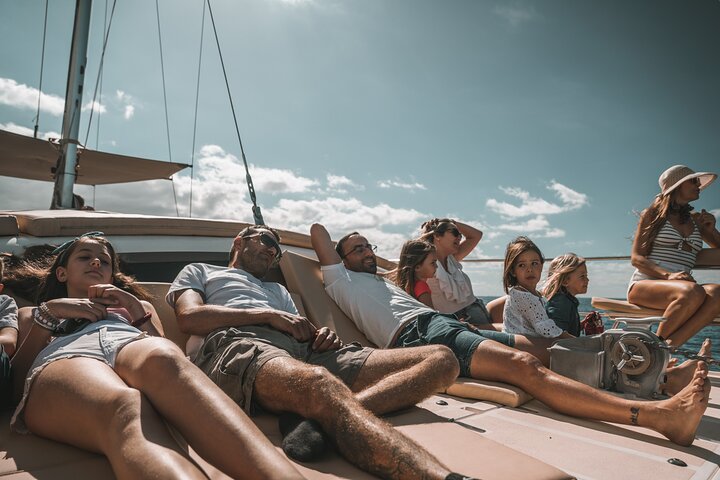
I took my nephew Mateo whale watching for his seventh birthday. He'd been talking about whales for months, drawing them at school, watching David Attenborough documentaries on repeat. I was nervous, not about the whales (Tenerife's 95% sighting rate makes that the easy part), but about the logistics. Would he get bored? Would he get seasick? Would he be scared when the boat moved? We booked the 9 AM catamaran from Puerto Colón, and within twenty minutes of leaving the harbour, we spotted a pod of bottlenose dolphins riding the bow wave. Mateo was at the rail, pointing, asking the marine biologist questions I couldn't answer. Two hours later, we were drifting beside a family of pilot whales, and Mateo was lying flat on the deck, chin in hands, watching a calf surface beside its mother. He didn't move for ten minutes. That's the kind of experience I think every family deserves, and it all comes down to choosing the right boat. The Family-Friendly Whale Watching Catamaran with Lunch is a great starting point if you're unsure where to begin.
Catamaran vs RIB, Which Is Better for Kids?
The short answer: a catamaran, almost every time. .
Stability matters. A catamaran's twin-hull design cuts through the Atlantic swell rather than rolling with it. Children who are prone to motion sickness (and plenty of adults too) will feel significantly better on a catamaran than on any single-hulled vessel. The deck is flat, wide, and stable enough that toddlers can walk without stumbling. On a RIB, even older children hold on tight for the entire ride.
Space to move. Catamarans have shaded seating areas, indoor cabins, and open decks where kids can move around. On a typical whale watching catamaran, children can go from the bow to the bar to the upper deck without being confined to a seat. A RIB has a single bench and a grab rope. That's two hours of sitting still, which is a lot to ask of a six-year-old.
Toilet access. This is the one nobody thinks about until they need it. Every catamaran has a toilet on board. Most RIBs do not. When your four-year-old suddenly needs to go mid-trip, a catamaran turns a potential disaster into a simple visit to the head.
Age minimums. Catamarans generally welcome all ages, including infants. RIB operators typically set a minimum age of 6 or 8 years. Some premium catamarans even allow children under 3 to join free of charge.
The RIB exception: If you have teenagers (12+) who want adventure over comfort, a RIB can be an memorable experience. The speed, the spray, the eye-level proximity to whales, it's a memory that sticks. But for families with children under 10, a catamaran is the right choice. RIBs are not suitable for toddlers or children prone to motion sickness, the jolting ride can make even adults queasy.
Age-by-Age Recommendations
Infants and Toddlers (0–3 years)
Stick to the larger catamarans. The Family-Friendly Whale Watching Catamaran (the budget option) allows infants at no charge. Bring a carrier rather than a pushchair (there are steps on and off the boat), and sit in the shaded section of the deck. The engine noise and wind are manageable, but bring ear defenders if your child is sensitive to noise. Keep the trip to 2–3 hours maximum, any longer and the novelty wears off. This age group is not for longer excursions, even the calmest toddler will struggle past the three-hour mark, and the lack of nap space becomes an issue.
Young Children (4–7 years)
This is the sweet spot for whale watching. Children at this age are old enough to follow instructions and young enough to be genuinely awestruck by a whale surfacing. The premium catamaran with hydrophone is excellent at this age, the underwater microphone lets kids hear the whales clicking and whistling, which holds their attention far longer than just watching the water. Book the morning departure (9 AM) when the sea is calmest and the children are freshest.
Older Children and Teens (8–15 years)
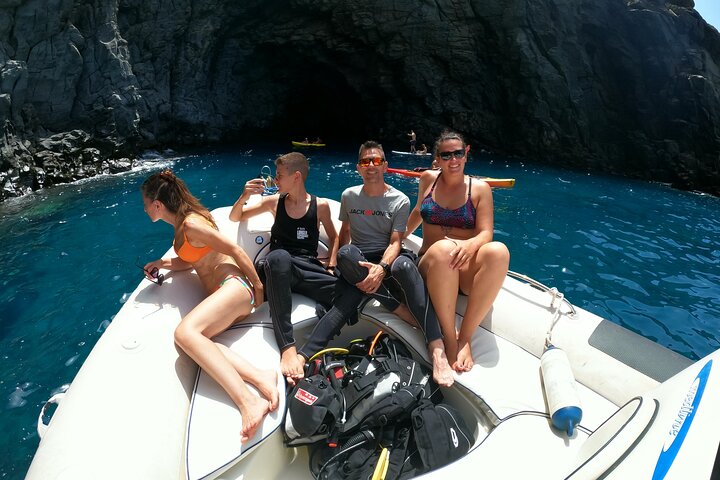
If your kids are curious, the catamaran with marine biologist is ideal. The commentary is educational without being dull, and the hydrophone turns the experience into a science lesson. For teens who want more action, the small-group RIB is an option, but check the minimum age with the operator first (most set it at 8, some at 12). The whale watching and snorkeling combo is another strong choice for this age group, combining two activities in one trip.
What to Bring for Kids on a Whale Watching Trip
- Windproof jackets: The Atlantic breeze at sea is cold even on a sunny day. A windbreaker or fleece is essential, even in July and August. I've seen sunburnt children shivering because nobody packed a jacket.
- Sunscreen (SPF 50+): Glare off the water doubles UV exposure. Tenerife's UV index hits 11+ in summer. Apply before boarding and reapply during the trip.
- Sunglasses and a sun hat: The glare is intense, and children's eyes are more sensitive than adults'. A strap on the sunglasses is wise, things go overboard.
- Seasickness medication: Ask your pharmacist about children's travel sickness medication. Give it 30 minutes before departure. Even on a stable catamaran, the Atlantic swell can affect children who've never been on a boat before.
- Snacks and water: Most boats provide drinks, but having familiar snacks for small children is a lifesaver if they get restless. Bring a refillable water bottle.
- Binoculars: A cheap pair of children's binoculars transforms the experience. Instead of waiting for whales to surface near the boat, kids can scan the horizon and spot dolphins themselves.
- Change of clothes: Spray happens, even on catamarans. A dry top for the ride back makes the difference between a happy child and a miserable one.
- A camera or phone with a strap: Let them take their own photos. The memory of a child capturing their first whale photo is worth more than any professional shot.
Safety on the Water, What Parents Need to Know
Tenerife's whale watching operators are regulated by the Canarian government, and safety standards are high. Life jackets are mandatory for children on most boats, and the crew will help fit them correctly. Here's what I tell every parent I advise:
- Brief your children before boarding. Explain that they need to stay seated when the boat is moving, use the railings when walking on deck, and never lean over the side.
- Choose a boat with shaded areas. The Canarian sun is relentless, and there's no shade on the water. A catamaran with a covered deck or indoor cabin gives you somewhere to retreat.
- Sit in the middle of the boat. The centre is the most stable part of any vessel. On a catamaran, the central seating area has the least motion.
- Watch for seasickness signs. Pale skin, quietness, or asking to lie down are early signs. Bring sick bags (ask the crew when boarding) and move to the centre of the boat or the shaded area. Fresh air and a fixed point on the horizon help.
- Stay hydrated. The combination of sun, wind, and sea air dehydrates children faster than you expect. Encourage them to drink water regularly, even if they don't feel thirsty.
- Respect the whales. Teach children that we are guests in the whales' home. No loud noise, no throwing things, no trying to touch the animals. The crew will enforce these rules, but it's better when the message comes from you first.
Best Family-Friendly Whale Watching Tours Compared
After taking children of various ages on multiple tours, here are the trips I recommend for families.
Family-Friendly Whale Watching Catamaran with Lunch
Best value for families, all ages welcomeThis is the most popular whale watching tour on Viator, and for families it's easy to see why. The large catamaran is stable enough that children barely notice the swell, the crew is experienced with kids, and the price includes a light lunch and an open bar (soft drinks, beer, and wine). Infants under 3 join free. The main trade-off is crowd size: during peak season the boat can reach 80+ passengers. Arrive early to secure a shaded spot. The 3-hour duration is great for young attention spans.
My top recommendation for families with children aged 4 and up. The catamaran is smaller (capped at 40 passengers), which means less crowding and more space for kids to move around safely. The marine biologist guide keeps the commentary engaging for young minds, and the hydrophone is atmospheric for children, hearing pilot whales clicking and whistling underwater turns the trip from sightseeing into a genuine explorey experience. The tour also stops at a secluded cove for swimming, which lets kids burn off energy mid-trip. Morning departure (9 AM) is ideal for families.
Whale Watching Catamaran with Lunch
Mid-range budget option with included mealA great middle-ground option for families who want a longer day on the water. The catamaran is mid-sized (around 50 passengers) and includes a proper lunch rather than just snacks, a big plus when feeding hungry children. The 4-hour duration includes a swimming stop, which breaks up the trip nicely. The crew are experienced with families and will help children spot dolphins and turtles alongside the whales. The slightly longer duration works best for children aged 5 and up who can handle a half-day excursion.
Photo Gallery
Private Whale Watching Tour
Best for extended families or special occasionsIf you're travelling with an extended family group or celebrating a special occasion (birthday, reunion), a private charter gives you complete control over the experience. You choose the departure time, the duration, the route, and the pace. The boat is exclusively yours, so children can move around freely without worrying about other passengers. The crew can tailor the commentary to your children's ages and interests. It's significantly more expensive than shared tours, but for multi-generational family trips, the flexibility and privacy are unmatched.
Quick Verdict, Which Family Tour Should You Book?
For most families: the Premium Catamaran with Hydrophone (€55). It balances comfort, group size, and educational value better than any other option. The marine biologist keeps kids engaged, the hydrophone is a showstopper for young minds, and the smaller group (40 max) means less crowding and more room for children. For families with babies and toddlers on a tighter budget, the Family-Friendly Catamaran (~€40) is perfectly adequate, just arrive early for a good spot in the shade.
What NOT to Do With Kids, A Parent's Honest Advice
Don't Book the RIB With Young Children
I love RIBs. But I've seen parents board them with wide-eyed six-year-olds, only to spend the entire trip holding a terrified child while getting soaked. The minimum age on most RIBs is 8 for a reason. Even then, the ride is physically demanding, I'm active and fit, and I feel it. For children under 10, the RIB is more endurance test than adventure.
Don't Choose the Afternoon Departure
Morning trips (9–10 AM) have calmer seas, better light, and less crowded boats. Afternoon trips mean the trade winds have picked up, the sea is choppier, and children who were fine in the morning may struggle. A rougher sea + tired children + the need for a nap = a tough afternoon. Book the morning departure.
Don't Forget the Entertainment Gap
Even the best whale watching trip has downtime, stretches where nothing is happening on the surface. For adults, that's part of the experience. For a bored five-year-old, it can be the longest five minutes of their life. Bring a small toy or a colouring book for those quiet moments. Or better yet, let them use the binoculars and scan the horizon themselves.
When to Go for the Best Family Experience
Year-round, but morning departures (9–10 AM) are essential for families. The sea is calmest before the trade winds pick up around midday. The summer months (June to September) offer the best conditions, calm seas, warm weather, and long daylight hours. Winter trips (December to February) can be choppy; if you're visiting in winter, book the largest catamaran you can find. Most operators offer free cancellation up to 24 hours ahead, which is a safety net if the forecast looks rough with young children.
Explore More
Related comparisons and guides: